Motor Vehicle Accident Injuries in Bentonville and Springdale, AR
The adrenaline wore off and now your neck will not turn. Pain that shows up days after a collision is common, and it responds best when treatment starts early.
What causes pain after a car accident?
You walked away from it. You told the officer you were fine, and at the time you believed it. Then two days later your neck would not turn, your upper back started to ache, and the headaches began. That delay is one of the most common patterns after a collision. A crash loads your spine and joints faster than your muscles can brace against, and the tissue response often peaks well after the day it happened. Finding out which structures absorbed that force is the first step toward getting them moving again.

In a collision your head is thrown through a range of motion faster than the muscles of your neck can control. The joints, discs, and small stabilizing muscles at the base of the skull take the load. The result is a stiff, guarded neck that hurts at the end of every turn, often with pain that spreads into the upper back. Restoring controlled motion and rebuilding the deep neck stabilizers is what turns that around.
Swelling and muscle guarding build over the first two to three days, so the worst day is rarely the day of the crash. Adrenaline masks a great deal in the first hours. If you felt fine at the scene and stiff by the weekend, nothing has gone wrong. It means irritated tissue is behaving the way irritated tissue behaves. Getting evaluated once that pattern starts keeps the guarding from settling in as a long-term movement habit.
You take a collision sitting down, belted, with your spine loaded and your feet braced. Force travels through the pelvis and low back, and the belt that protects you also concentrates load across the trunk. Low back pain, hip tightness, and pain going from sitting to standing are common results. We test how your spine and hips are actually moving and treat the segments that stopped sharing the work.
Neck injuries and headaches travel together, because the upper neck joints refer pain into the head and behind the eyes. Clenching through the impact can leave the jaw sore too. If you also took a blow to the head, lost consciousness, or have vision changes, memory trouble, or symptoms that keep worsening, that belongs with a physician for evaluation. We will tell you plainly when that is the case, and we work alongside your medical provider rather than in place of one.
Pain makes you hold still. Holding still makes you stiff. Weeks of protecting one side leave you turning your whole body instead of your neck, loading one leg more than the other, and lifting with one arm without noticing. Those compensations outlast the original injury, and they are a large part of why some people never feel quite right again after a crash. Treatment targets the compensation as much as the injury itself.
We keep a dated clinical record of your evaluation, your measured range of motion and strength, the treatment you received, and how you progressed visit to visit. If your insurance carrier or case manager requests documentation, we release it with your authorization the way we would for any other claim. We do not manage claims and we do not give legal advice. What we can do is make sure the clinical side of your recovery is written down clearly and consistently from the first visit forward.
How physical therapy in Bentonville and Springdale helps.
We start with an evaluation that maps where the force actually landed, not just where it hurts today. Hands-on treatment calms the irritated joints and muscles and gives back the motion the guarding took away. From there we rebuild the deep stabilizers of the neck and trunk, because strength is what keeps the pain from returning every time you check a blind spot or lift something heavy. Arkansas is a direct access state, so you can start without a physician referral. We are in network with BCBS, Medicare, TRICARE, Humana, Ambetter, ARKids First, AAA, and Workers' Compensation, and we verify your benefits before the first visit so the cost is not a surprise. One therapist follows your case from the evaluation to the day you are finished.
What to expect from your recovery.
Evaluation and baseline
We take the history of the collision, screen for anything that belongs with a physician first, and measure how your neck, upper back, and low back are moving right now. You leave the first visit knowing which structures are involved, what we plan to do about them, and an honest estimate of how long it should take.
Calm it down, restore the motion
Hands-on work on the restricted joints and the muscles that have been guarding, paired with movement you can run at home between visits. Most people notice that turning, sitting, and sleeping get easier before anything else does. We adjust the plan at every visit based on what changed since the last one.
Build it back for real life
Strength and control work for the neck, trunk, and hips, progressed toward what you actually do: driving, lifting your kids, a full day at work. We finish by handing you a program you can keep running on your own and a clear plan for what to do if a symptom returns.
I have been to Russ Therapy before and they are AWESOME!!!
Pain rarely travels alone.
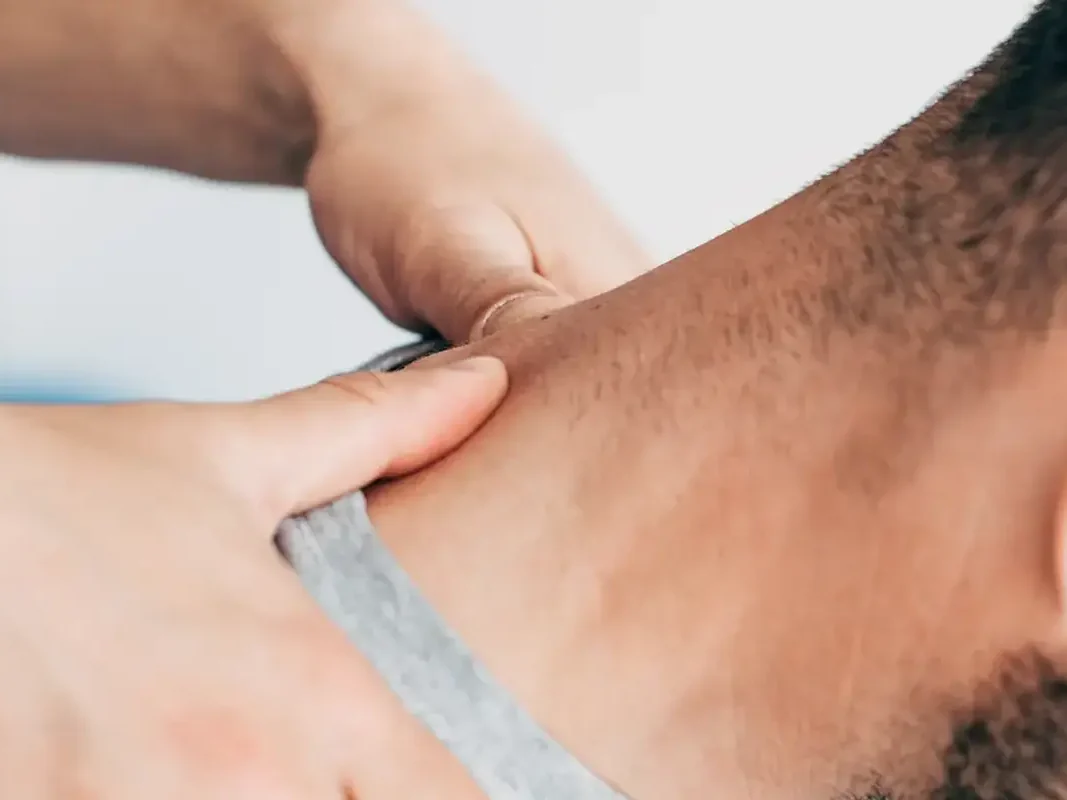
Neck Pain
Whiplash is a neck injury first. If turning your head is the thing you notice most, start here.
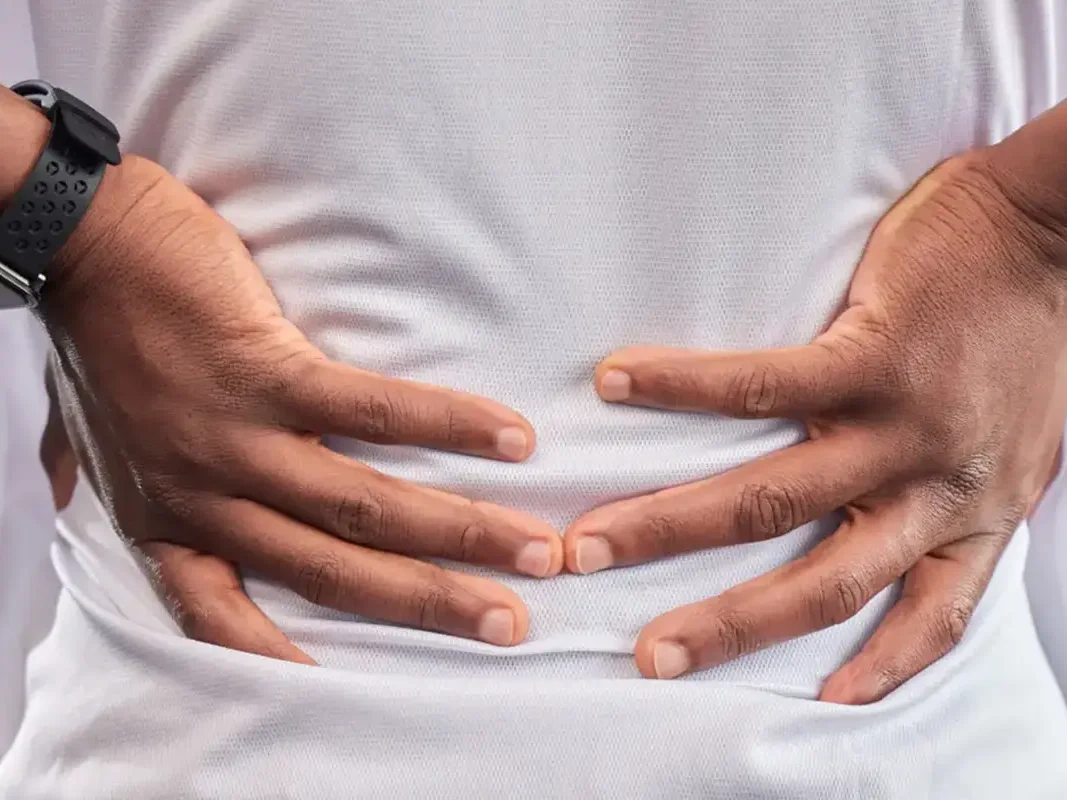
Back Pain & Sciatica
Low back pain and leg symptoms after a collision are common. Treating the spine and hips together is what holds.
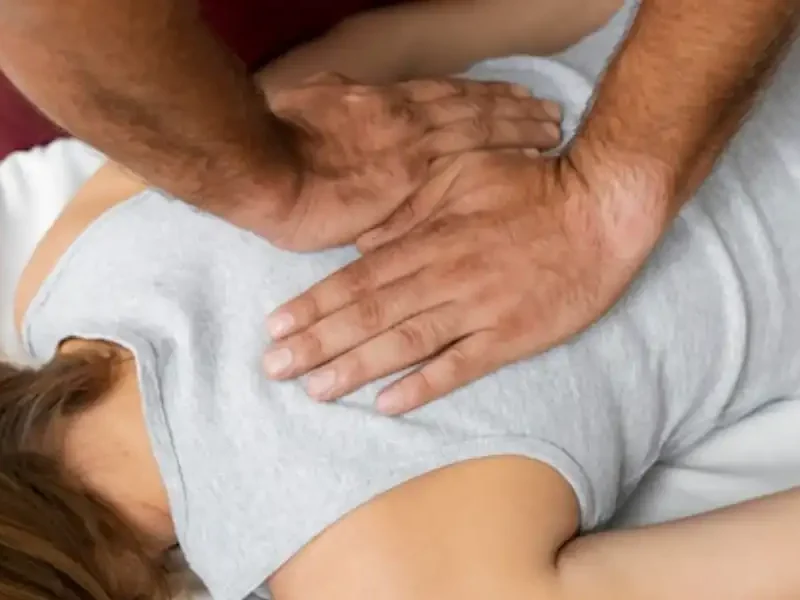
Spinal Manipulation
Hands-on joint work to restore motion in a spine that has been braced and guarded since the crash.
Ready when you are.
Fri: 8:00am - 1:30pm