Cryotherapy in Bentonville and Springdale, AR
Clinical cold applied to the area that is actually inflamed, timed and monitored, so swelling and pain come down far enough for you to do the work that fixes it.
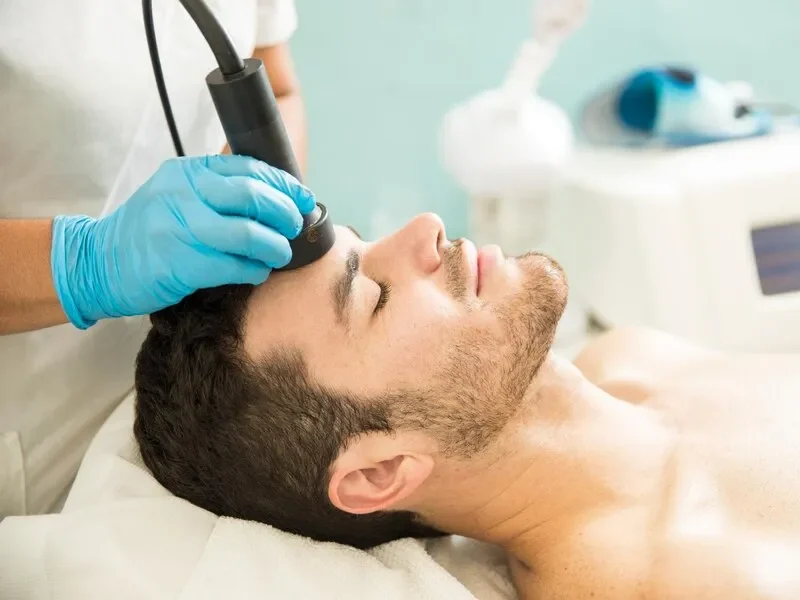
What is cryotherapy?
First, what this is not. There is no walk-in chamber here and no whole-body freeze. Cryotherapy at Russ Physical Therapy means clinical cold applied to one treated area: a cold pack over a swollen knee, a cold compression wrap on a post-surgical joint, an ice cup massaged over an angry tendon, or a cold bath for a hand or a foot. It is the oldest tool in the building and still one of the most useful, because the mechanism is not complicated. Cooling tissue narrows the local blood vessels, slows the chemical activity that drives swelling, and quiets the nerve endings that are firing at you. Less swelling and less pain in that area means more room to move it.
Cold is a timing tool more than anything else. Used right after an acute injury, or right after a session where you loaded a joint harder than it has been loaded in months, it keeps the reaction from running away with you overnight. Used at the wrong moment, on tissue that is stiff rather than inflamed, it makes things tighter and you leave worse than you came in. That judgment call is the actual service. Your therapist decides whether the tissue in front of them wants cooling or warming that day, how long it stays on, and whether you should be doing it at home between visits or leaving it alone.
Who cryotherapy is for.
Cold is for tissue that is angry: swollen, warm, freshly injured, or freshly worked. It is not the answer for everything that hurts, and your therapist will tell you plainly when it is not.
Fresh injuries and sudden flare-ups
The ankle you rolled, the back that seized on Saturday, the knee that puffed up after a long day on it. Targeted cold in those first days keeps swelling in check so gentle movement can start sooner, instead of waiting out a week of throbbing before anything useful happens.
After surgery and after hard sessions
Post-surgical joints and joints that just got pushed both respond to controlled cooling. Applied right after treatment, it protects the progress you made that visit. For a lot of people it is the difference between sleeping through the night and being awake at two in the morning.
Tendon pain that flares with activity
Achilles, elbow, and kneecap tendons that feel fine until suddenly they do not. Ice massage directly over the tendon for a short interval calms the flare without shutting down the loading program that is actually rebuilding the tissue underneath.
What to expect in a session.
Cold is fast, unglamorous, and usually the last thing that happens before you leave. Here is how a therapist actually applies it.
The call on cold or heat
Your therapist checks the area for swelling, warmth, and how irritable it is, and checks your skin sensation, because you need to be able to feel and report what is happening. If the tissue reads stiff rather than inflamed, you get heat that day instead, and your therapist tells you why the call went that way.
Application and timing
Cold goes on the treated area with a barrier between the pack and your skin, generally for ten to twenty minutes depending on the tissue and how deep it sits. Ice massage over a small tendon is much shorter. You will feel cold, then aching, then numbness. Your therapist checks the skin during the treatment, not only at the end.
What you do at home
You leave knowing exactly what to do between visits: how long, how often, what goes between the pack and your skin, and what a normal skin response looks like next to one that means take it off. Most people either over-ice or never ice at all, and both waste a tool that works.
Prolonged cold is not used over an area with compromised circulation, over skin that is numb or has reduced sensation, or with a cold sensitivity condition such as Raynaud's or cold urticaria. Never sleep on an ice pack, and never leave ice directly against bare skin. Tell your therapist about circulation problems, neuropathy, or diabetes at your evaluation. If cold is not safe for you, it comes out of your plan and nothing else about your care changes.
Recommend by a good friend. Have been extremely pleased with results, the staff are very knowledgeable and go out of their way to work with your pains and in my case afflictions.
Where to go next.
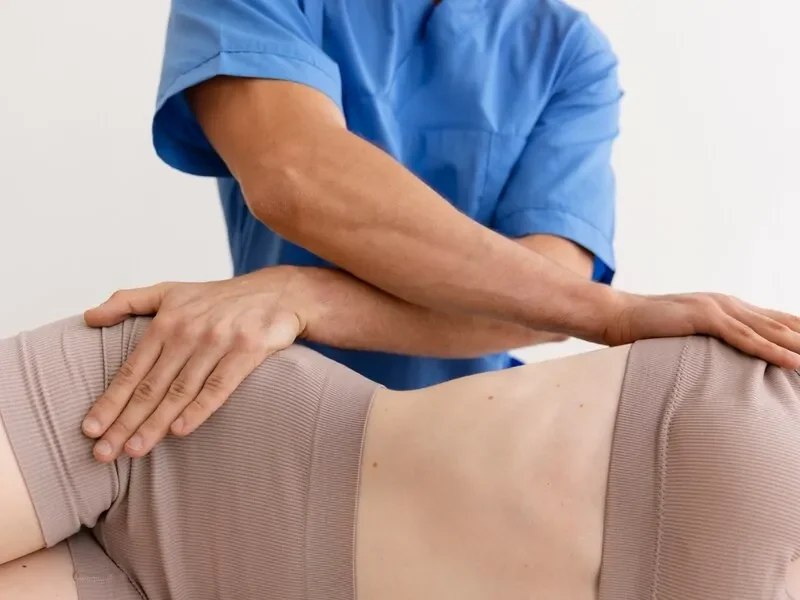
Manual Therapy
Hands-on work to free a stiff joint or a guarded muscle. Frequently the treatment that cold gets used after.
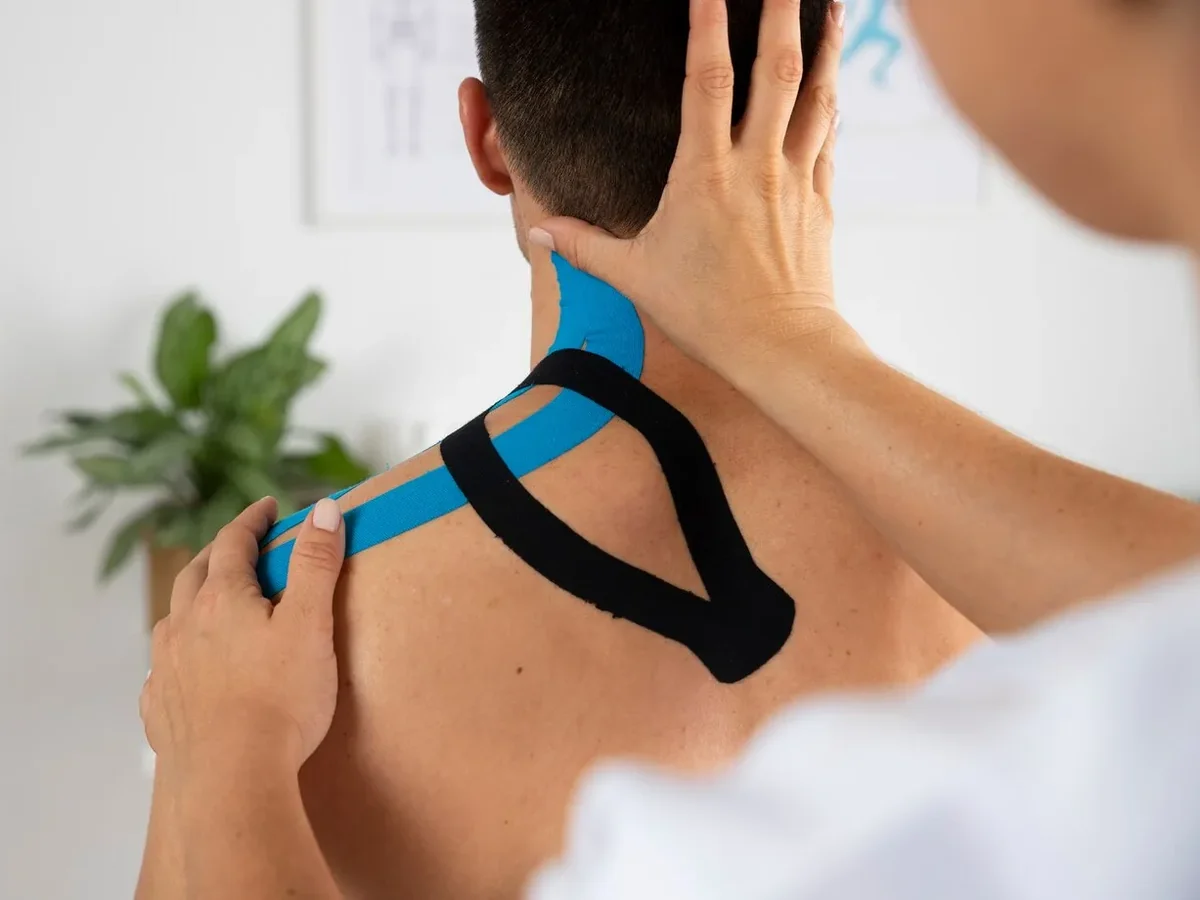
IASTM
Instrument-assisted soft tissue work for scarred, restricted tissue. Cold often follows to keep the area settled.
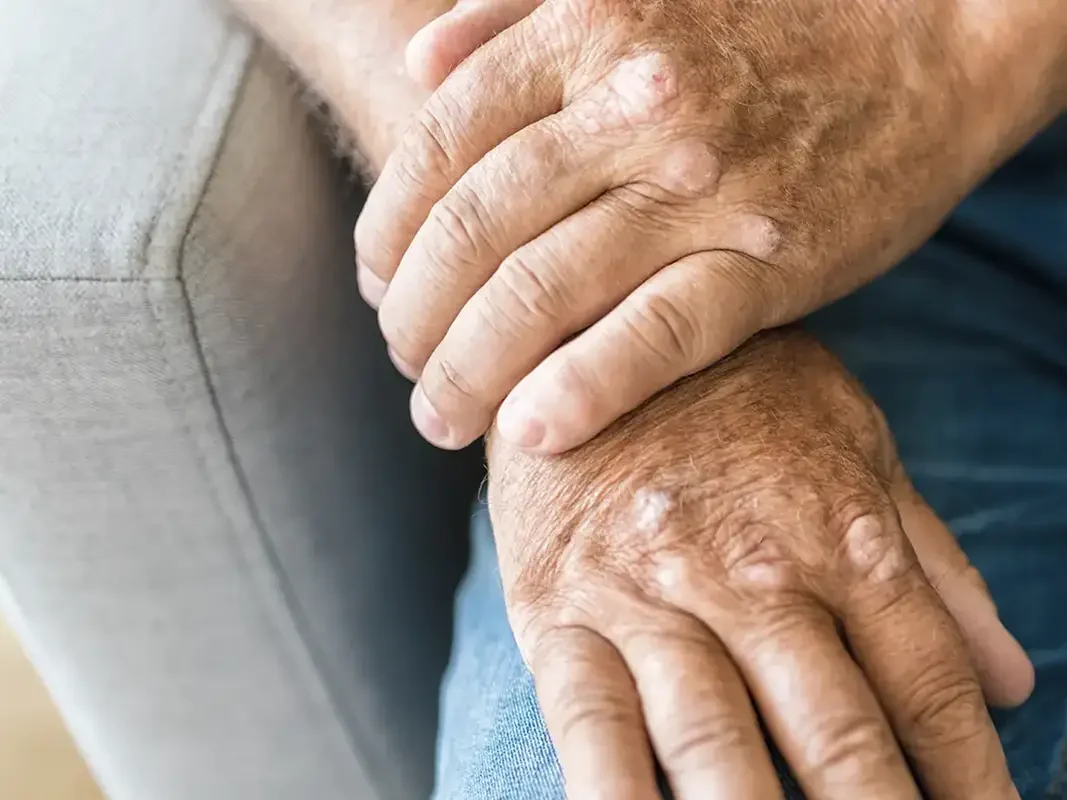
Arthritis
Swollen, stiff joints that dictate your day. A plan that keeps you loading them safely instead of resting into weakness.
Ready when you are.
Fri: 8:00am - 1:30pm