IASTM in Bentonville and Springdale, AR
Instrument assisted soft tissue mobilization. A contoured steel tool finds restricted tissue your therapist cannot reach with pressure alone, then treats it directly.
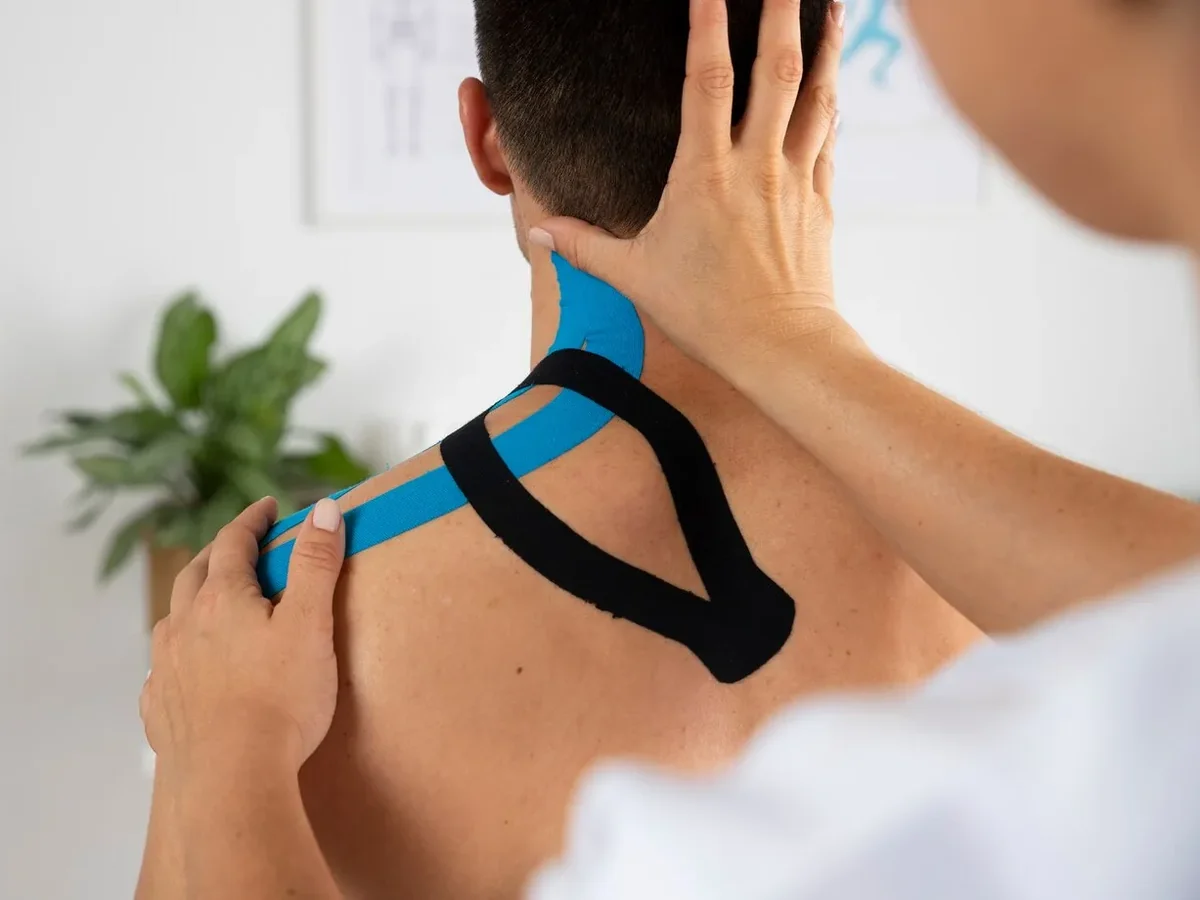
What is IASTM?
IASTM stands for instrument assisted soft tissue mobilization. Your therapist uses a contoured stainless steel tool, held against lightly lubricated skin, to scan and then treat the layers of fascia, muscle, and scar tissue underneath. The tool does two things a hand cannot. It transmits vibration back through the metal, so restricted tissue becomes much easier to find, and it concentrates pressure into a narrow edge, so your therapist can work deep without wearing out their thumbs. Passing over healthy tissue feels smooth. Passing over a restricted area feels gritty, and both of you can feel it happen. Treatment is a series of controlled strokes along the fibers and then across them, usually a few minutes per area. It gets used most often on old scars, on fascia that has been chronically tight, and on tendon problems that have gone stiff and quiet rather than hot and swollen.
Like every hands-on technique at Russ Physical Therapy, IASTM sets up the real work rather than replacing it. Freeing a restriction buys you range, and range only becomes function once you load it. So the tool work is followed immediately by movement, and you leave with exercise that keeps the tissue moving between visits. Your therapist will tell you at the evaluation whether your tissue is the kind that responds to this, or whether something else should come first.
Who IASTM is for.
IASTM suits restriction you can feel in the tissue itself: old scars, thickened fascia, and tendons that stiffened over months rather than days.
Scar tissue that limits how you move
A surgical scar on a knee or a shoulder. A healed tear in a calf. An abdominal scar that pulls when you straighten up. Mature scar tissue binds layers that are supposed to slide past each other. Working the area with the instrument and then moving it restores that slide, and bending, kneeling, or reaching stops catching on the same spot every time.
A tendon problem that has dragged on for months
Achilles, tennis elbow, the front of the knee. It stopped being an acute injury a long time ago and is now simply stiff and sore for the first stretch of every activity. Chronic tendon tissue responds to targeted tissue work paired with progressive loading. The win people describe is starting a run or a shift without dreading the first ten minutes.
Chronic tightness spread across an area
The whole outside of the thigh. The bottom of the foot. The front of the shin after a season of running. When restriction is spread out rather than sitting in one knot, an instrument covers ground that fingers cannot cover with the same pressure. The area feels looser leaving than it did arriving, and the exercises afterward stop feeling like a fight.
What to expect in a session.
IASTM is a short segment inside a normal treatment visit, and your therapist explains it before the tool ever touches skin.
Scan the area
With a small amount of lubricant, your therapist runs the instrument over the region at light pressure to map it. Restricted tissue reads as rough or gritty through the tool, and healthy tissue reads as smooth. You will usually feel where they have found something before they say a word about it.
Treat what the scan found
Pressure increases and the strokes get specific, following the direction of the fibers and then working across them. A few minutes per area is typical. Your therapist checks in on the pressure as they go, and it should read as an intense rub, never as a sharp or nervy pain.
Move it and load it
Immediately afterward you stretch and then load the tissue that was just treated, because using it is what tells the body to keep the change. You leave with a short home program and a clear idea of what to do if the area gets sore over the next day.
Expect firm, scraping pressure that is uncomfortable in the moment and usually satisfying afterward. Redness in the treated area is common and normal, and it typically fades within a few hours. Some people bruise slightly, particularly on thin skin or if you take a blood thinner, so tell your therapist about your medications before the first treatment. Mild soreness for a day or two is expected, and water, heat, and easy movement all help. We do not treat over open wounds, active infections, or fresh surgical sites. If bruising is significant, or soreness climbs instead of fading, call the clinic at (479) 250-4014 and the pressure gets dialed back next visit.
I highly recommend Russ Physical Therapy, their staff is amazing!
Where to go next.
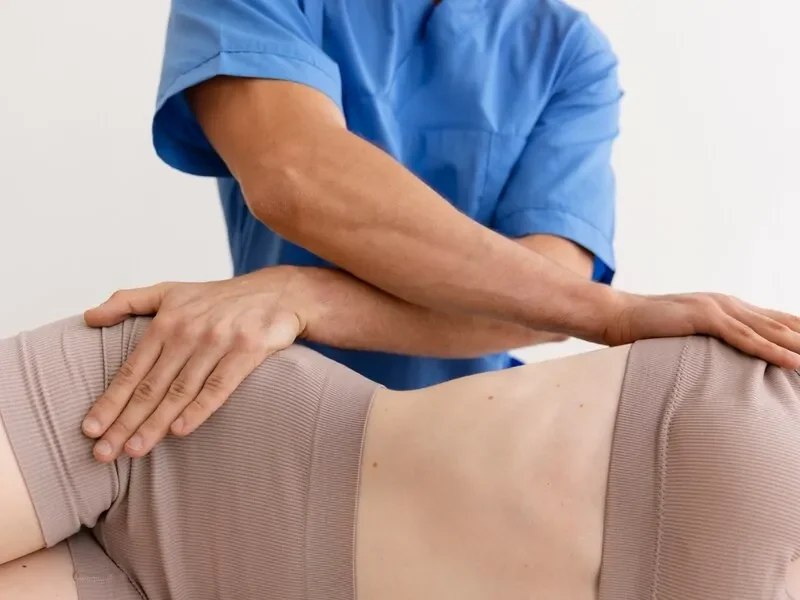
Manual Therapy
Hands-on joint and soft tissue treatment, chosen for what your assessment actually found.
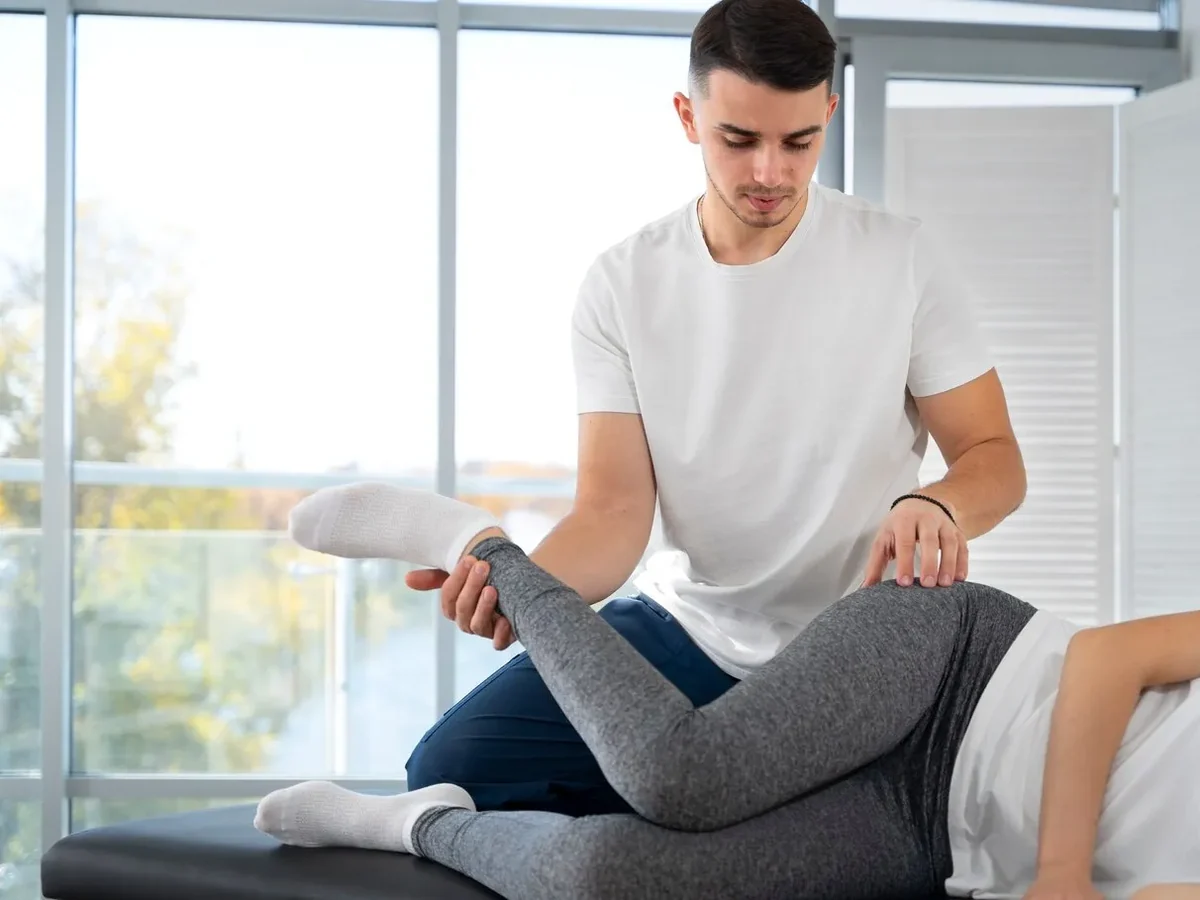
Joint Mobilization
Graded, rhythmic pressure to restore the glide a stiff joint lost. No thrust, no forcing.
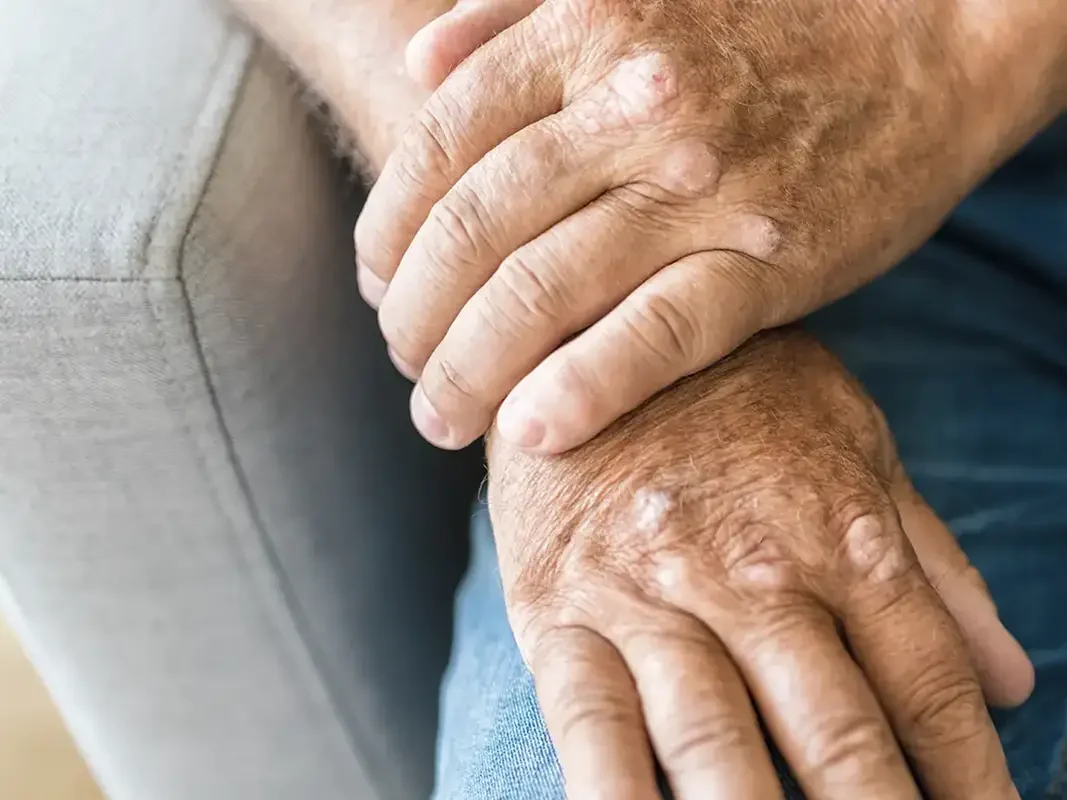
Arthritis
Stiff, achy joints respond to the right dose of movement. Here is how our team works.
Ready when you are.
Fri: 8:00am - 1:30pm