Joint Pain in Bentonville and Springdale, AR
You have been told it is just age, just wear, just something to live with. If stiff and aching joints have you avoiding movement instead of enjoying it, one evaluation is where that assumption gets tested.
What causes joint pain?
A joint hurts when the load going through it outruns what it is currently built to handle. That gap opens in several ways: cartilage that has thinned with the years, an old injury that healed but never got rehabilitated, muscles that stopped supporting the joint, or a movement habit that quietly overloads it a thousand times a day. Wear on an image does not settle the question, because plenty of people have worn joints and comfortable lives. Finding which gap is yours is the first step to closing it.
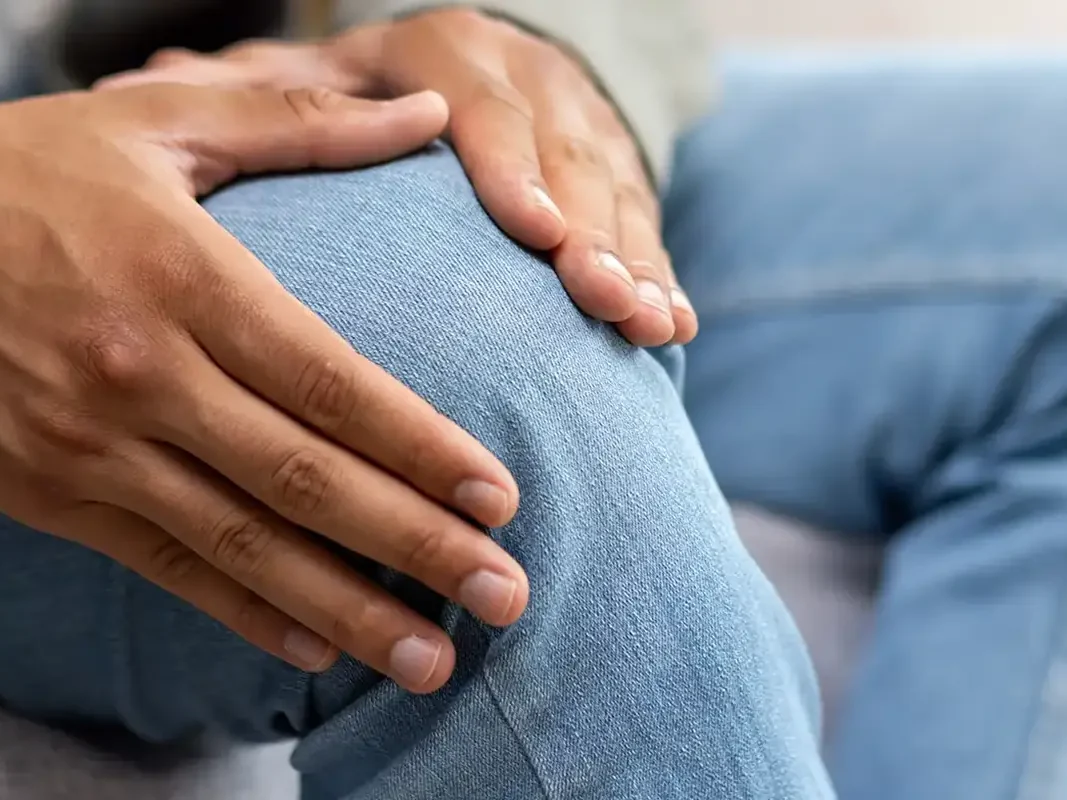
Cartilage thins with mileage and with age, most visibly in the knees, hips, hands, and spine. The stiff first ten minutes of the morning is the classic sign. What matters is that the amount of wear on a scan predicts pain poorly. Two people with identical images can live very different lives, and the difference is usually the strength and mobility of everything surrounding the joint. That is the part we can change.
Muscles are the shock absorbers your joints depend on. When they weaken, from a period of rest, an illness, or years of sitting, the load that used to be shared gets handed straight to cartilage and bone. Stiffness and aching follow, and then you move less, which weakens the muscles further. Breaking that loop is the single most reliable thing physical therapy does for joint pain.
A sprain, a fracture, or a tear can heal structurally and still leave the joint less stable and less trusted than it was. You favor it without deciding to. The supporting muscles never fully switch back on. Years later that joint is the one that aches, not because of new damage but because rehabilitation stopped at the point where the pain did.
Joints adapt to what you ask of them, but only at the pace they are given. A weekend of yard work, a new job with repetitive lifting, a fresh training program after a quiet winter. The jump outruns the tissue's ability to keep up and the joint becomes irritable. Nothing is damaged. It is angry, and it needs a smarter ramp rather than complete rest.
Some joint pain comes from a systemic inflammatory process rather than from mechanical overload. Rheumatoid arthritis is the best known. Warm, swollen joints on both sides of the body, prolonged morning stiffness, and fatigue point in that direction, and those cases need a physician's care alongside therapy. We screen for it at the evaluation and tell you plainly if that is what we suspect.
When one joint stops moving well, its neighbors move more to cover for it. A stiff ankle loads the knee. A stiff mid back loads the neck and the shoulder. The joint that hurts is frequently the one doing extra work, not the one that failed. This is why a full-body assessment finds answers that a single-joint exam misses.
How physical therapy in Bentonville and Springdale helps.
You do not need a physician referral to begin. Arkansas is a direct access state, so you can book an evaluation now, and we verify your benefits before your first visit. Your therapist assesses the joint that hurts and the joints on either side of it, because the source and the symptom are often in different places. Early sessions use joint mobilization and soft tissue work to give back the range you have lost and quiet the irritation. From there the work is strength, applied to the muscles that carry load for that specific joint, progressed at a pace the tissue can actually absorb. We are honest about what therapy can and cannot change: we cannot regrow cartilage, and we will tell you when something belongs with a physician. What we can do is build the support around the joint so it stops being the thing that decides your day.
What to expect from your recovery.
Your evaluation
The first visit is hands on from the start. We measure the range of the joint that hurts, test the strength of the muscles that carry its load, check the joints above and below it, and screen for signs that point toward an inflammatory condition rather than a mechanical one. You leave knowing what is driving your pain and an honest estimate of how long this should take.
Hands-on relief
Next we restore movement. Joint mobilization and soft tissue work free up the restrictions and quiet the irritation, so the joint moves through more of its range with less protest. Every technique has a reason, and your therapist explains it before it happens rather than after.
Strength that holds
Then we build support. Strengthening the muscles around the joint gives it a shock absorber again, and we progress the load a step at a time so the tissue keeps up. We tie every exercise to something you want back, whether that is a garden, a golf swing, or a full day without thinking about it.
I have been very pleased with the results of my physical therapy with Russ.
Pain rarely travels alone.
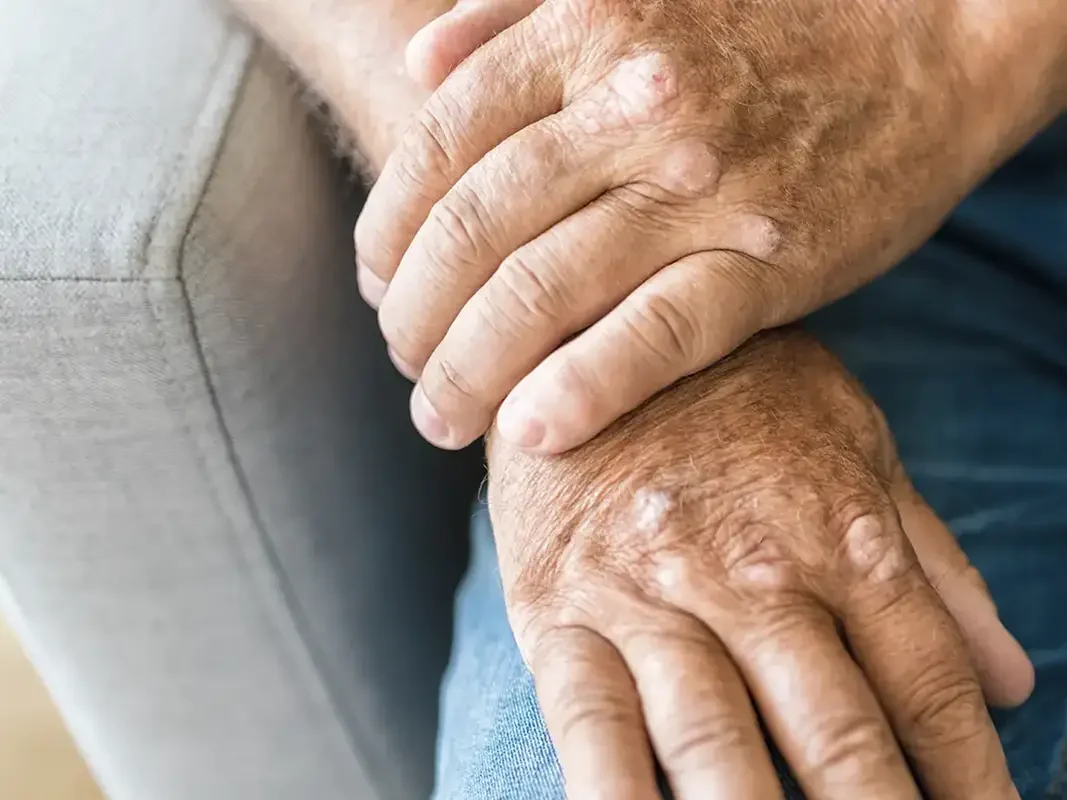
Arthritis
Arthritis is the most common reason a joint aches, and it needs a plan of its own. If several joints are stiff and sore at once, start here.
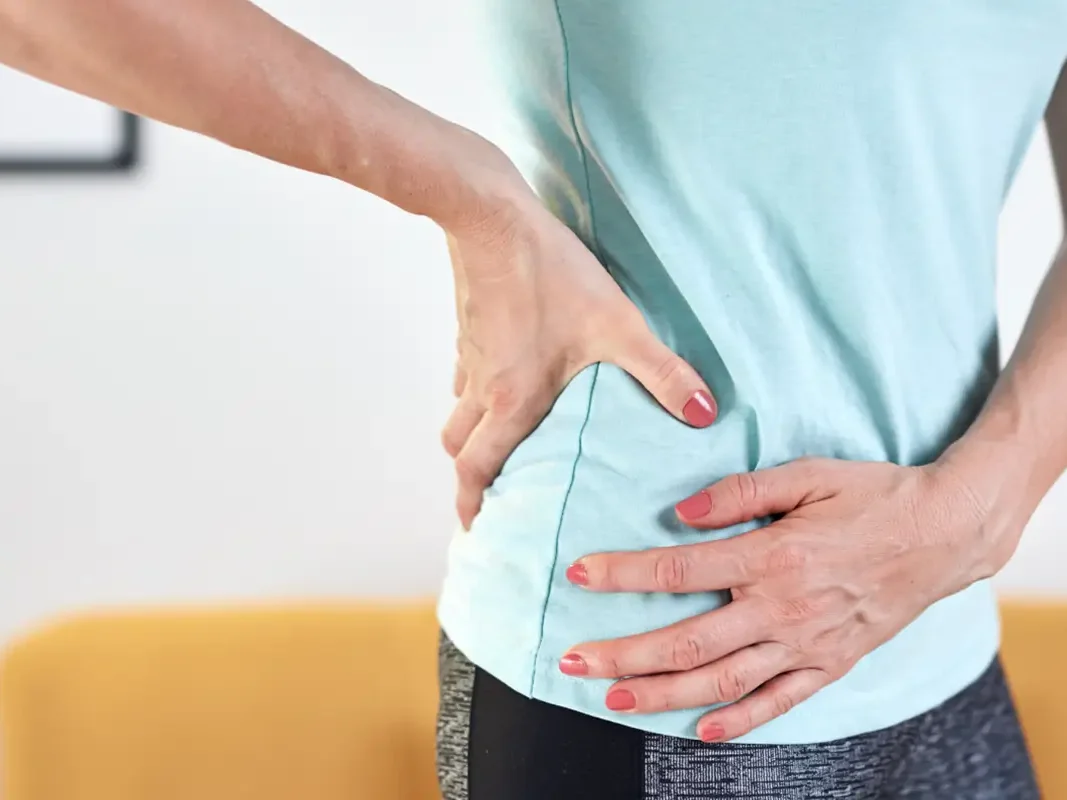
Hip & Knee Pain
The hip and knee carry your body weight with every step, so they are where joint pain limits life fastest. If yours is in the lower body, this page goes deeper.
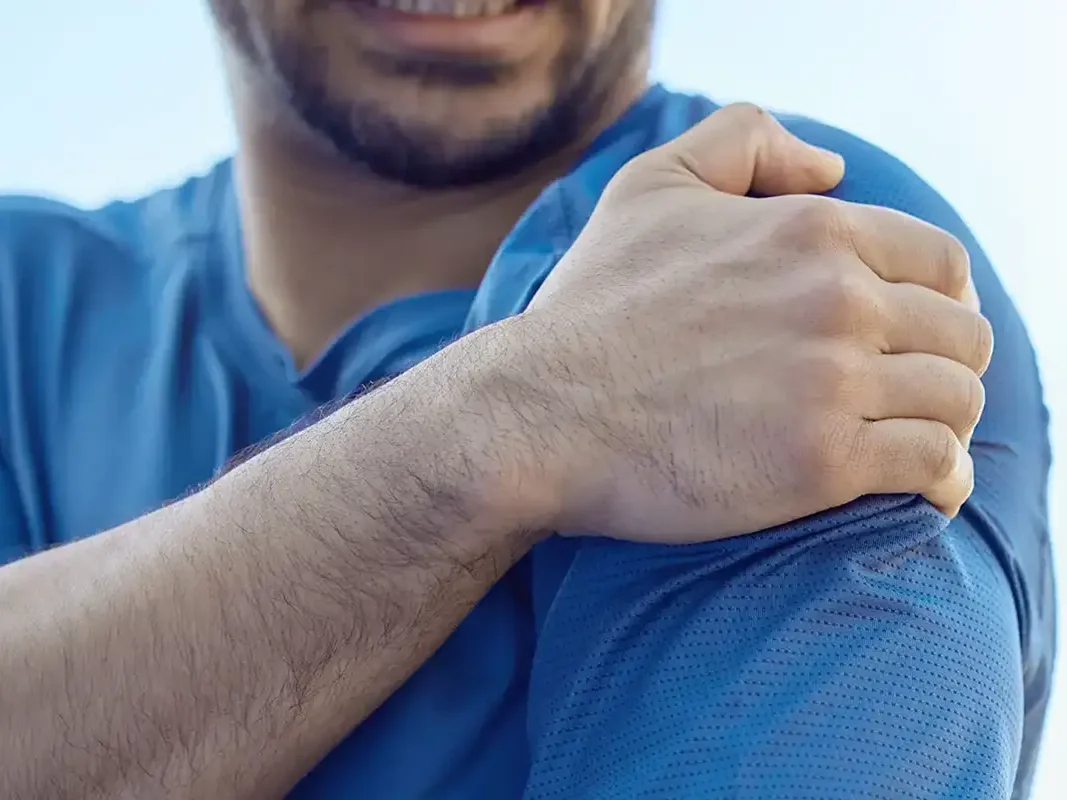
Shoulder Pain
The shoulder trades stability for range, which makes it the joint most dependent on the muscles around it. If yours is the one that aches, this page goes deeper.
Ready when you are.
Fri: 8:00am - 1:30pm