Foot and Ankle Pain in Bentonville and Springdale, AR
The first steps out of bed are the worst part of the day. You have already tried new shoes, inserts, and rolling it on a frozen bottle. Feet respond to loading, not to waiting it out.
What causes foot and ankle pain?
Foot and ankle pain rarely announces itself. It builds quietly out of how you walk, the shoes you wear, the surfaces you stand on all day, and how much of the leg's work your foot has been asked to absorb. Then one morning it is simply there, and it does not leave. Working out what tipped your foot over the line is what separates real recovery from another few months of hoping.
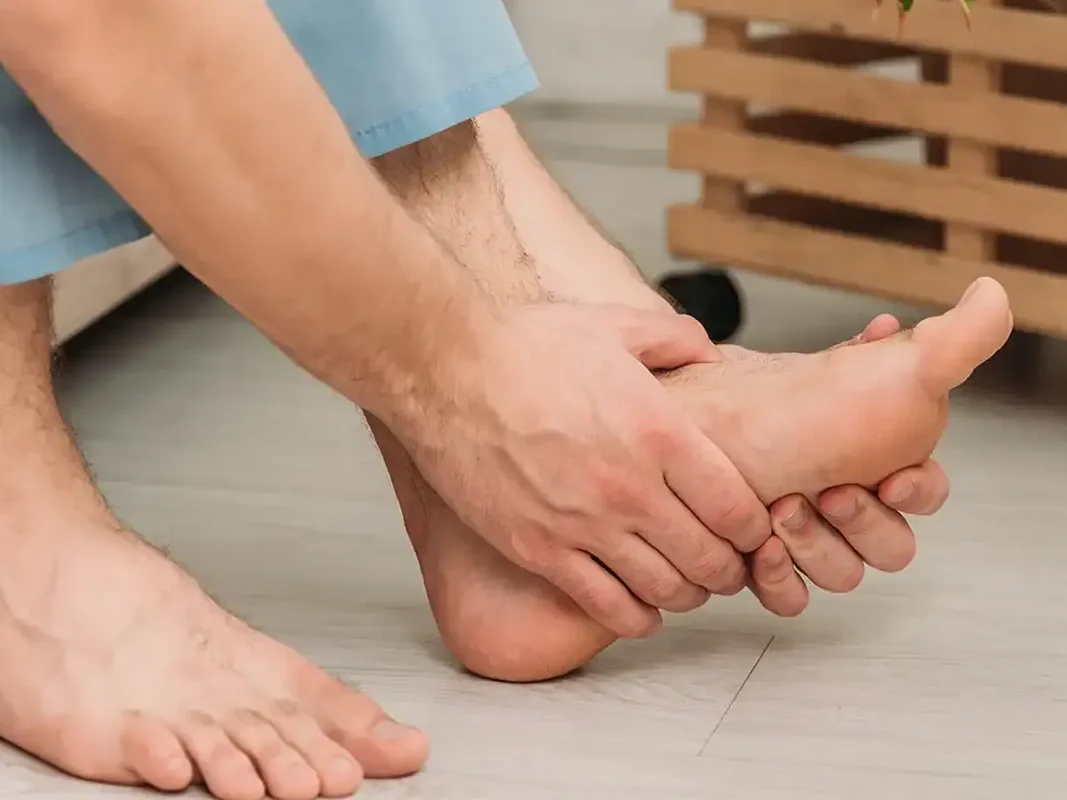
A sprain stretches or tears the ligaments that hold the ankle together. Even a "mild" sprain leaves the ankle less stable if it was never fully rehabbed. Months or years later, the ankle still feels weak, swells easily, or gives way without warning. Incomplete healing is not permanent, but it takes targeted work to restore the balance and proprioception the ankle lost.
The plantar fascia is a thick band running from your heel to the base of your toes. Overload it and it becomes painful right where it anchors at the heel, worst with the first steps in the morning and after you have been sitting a while. It eases as you warm up, which is exactly why people ignore it for months. A tight calf is usually part of the story, and so is a sudden change in how much you have been standing or walking.
The Achilles tendon connects your calf to your heel and takes the brunt of every step, jump, and climb. When it is overworked without adequate recovery or if your calf is too tight and inflexible, it becomes irritated and painful. Pain in the back of the ankle or heel when walking or running is a clear signal the tendon needs specific loading and mobility work.
How your foot naturally arches and how your ankle sits affects how force travels up your leg with every step. Flat feet or high arches that lack flexibility force other parts of the foot to compensate, leading to pain in the arch, heel, or the outer edge. Improving foot stability and arch control changes how the entire lower leg functions.
New shoes, a change in activity level, or spending more time on your feet can overload feet that were not ready for the change. Tight shoes crowd the forefoot. Shoes without support let the foot collapse. Sudden increases in walking, running, or standing put stress on tissues that are not conditioned for it. The foot adapts, but it needs time and help.
Old foot or ankle injuries can leave scar tissue that limits how the joint moves or how muscles fire. A broken bone that healed but was never rehabilitated leaves the ankle weaker than it was before. Scars from surgery tighten the soft tissue around the joint. Addressing old damage takes specific movement and loading work to restore full function.
How physical therapy in Bentonville and Springdale helps.
The evaluation starts on the floor, watching you walk. Your therapist checks how far your ankle bends, how much your big toe extends, whether your arch holds under load, how strong your calf actually is, and what your hip is doing above all of it. That is where the answer usually lives, because feet are rarely the only guilty party. Hands-on treatment comes next: joint mobilization to restore the motion the ankle lost, soft tissue work and IASTM through the calf and arch, and dry needling (at our Bentonville clinic) where a muscle will not let go.
Then we load it. Tendons and fascia get stronger under progressive demand and weaker under rest, so calf raises, arch work, and balance drills build in measured steps until the tissue handles a full day again. If body weight is the limiting factor early on, the AlterG anti-gravity treadmill at our Bentonville clinic lets you walk or run at reduced weight while the foot keeps its conditioning. We also talk honestly about shoes and about how quickly you are ramping activity back up. Arkansas has direct access, so no referral is required, and we verify your benefits before you start.
What to expect from your recovery.
Pain: settle it and find the cause
Early visits bring the pain down with hands-on work and restore the motion your ankle and big toe have lost. At the same time your therapist works out why it started, whether that is a calf that will not lengthen, an old sprain, a hip that stopped pulling its weight, or a jump in mileage nobody warned you about.
Prime and perform: build the load back
This is where recovery actually happens. Calf and foot strengthening climbs on a schedule, balance and single leg control get added, and the work starts to look like walking, standing a shift, or running again. Some soreness during the build is expected, and it is watched carefully so it never turns into a setback.
Prevent: keep the foot ahead of the load
Foot and ankle problems come back when the tissue falls behind what you ask of it. So you leave with a short maintenance program, a sensible way to increase activity, and practical guidance on footwear for your work and your sport. If something changes later, you know exactly when to call.
I used Russ Physical for two months. They are fantastic. Very patient-focused. Very kind and dedicated staff.
Pain rarely travels alone.

Hip & Knee Pain
Limping to protect a sore foot sends the extra work straight up to the knee and hip. New pain there is often the foot's doing.
Balance & Gait Disorders
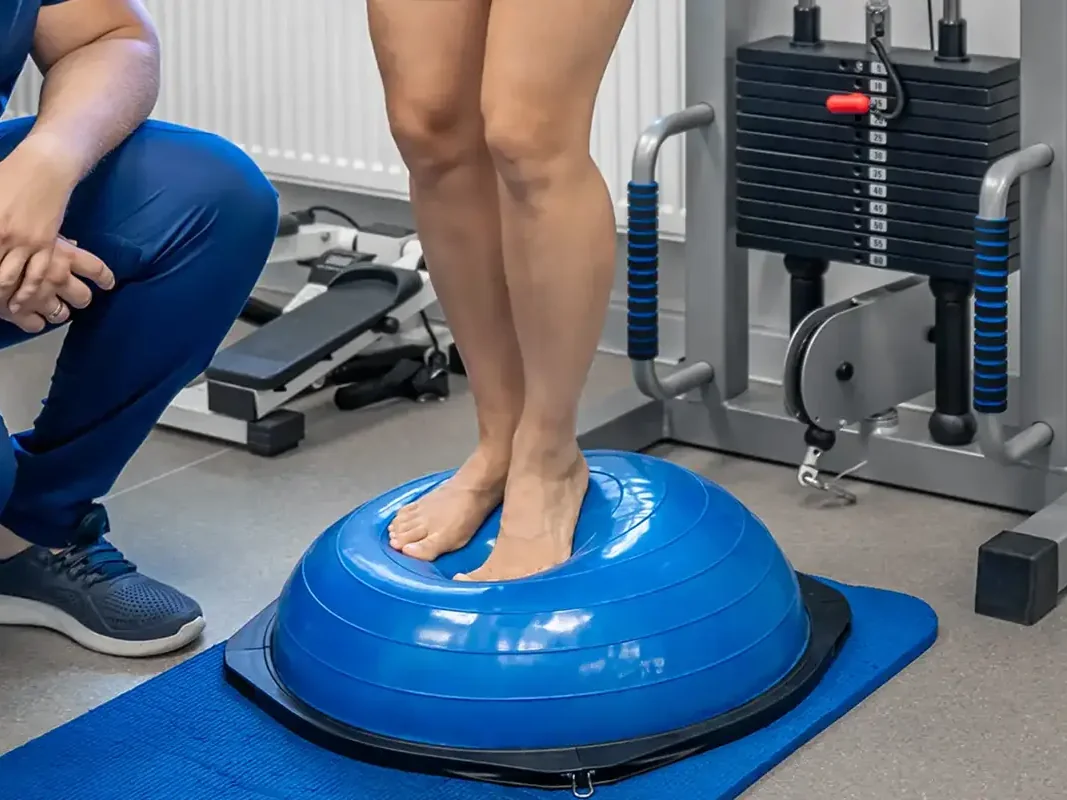
Your ankle makes the first correction every time you wobble. A weak or previously sprained ankle quietly raises your risk of a fall.
Joint Pain
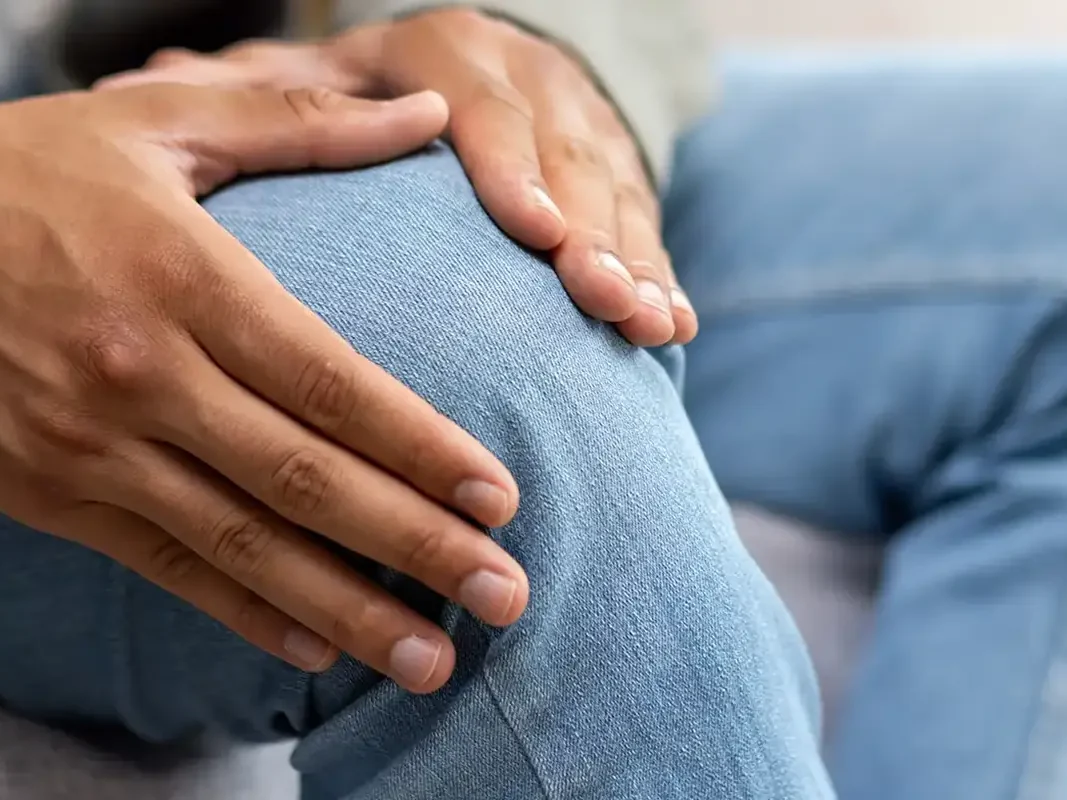
Stiffness and swelling in the ankle or midfoot joints behave differently than tendon pain, and they are treated differently too.
Ready when you are.
Fri: 8:00am - 1:30pm