Hip & Knee Pain in Bentonville and Springdale, AR
You have started taking the stairs one at a time and choosing the closer parking spot. If your hip or knee is quietly editing your day, one evaluation is where you find out why.
What causes hip and knee pain?
The knee sits between the hip and the foot and rarely gets a vote. When the hip is weak or the ankle is stiff, the knee absorbs what neither of them handled, and it does that a few thousand times a day. Hips work the same way in reverse: what looks like a hip problem is often a trunk or a stride problem the hip is compensating for. That is why the spot that hurts and the thing that needs fixing are frequently two different places, and why finding the real driver matters more than treating the ache.
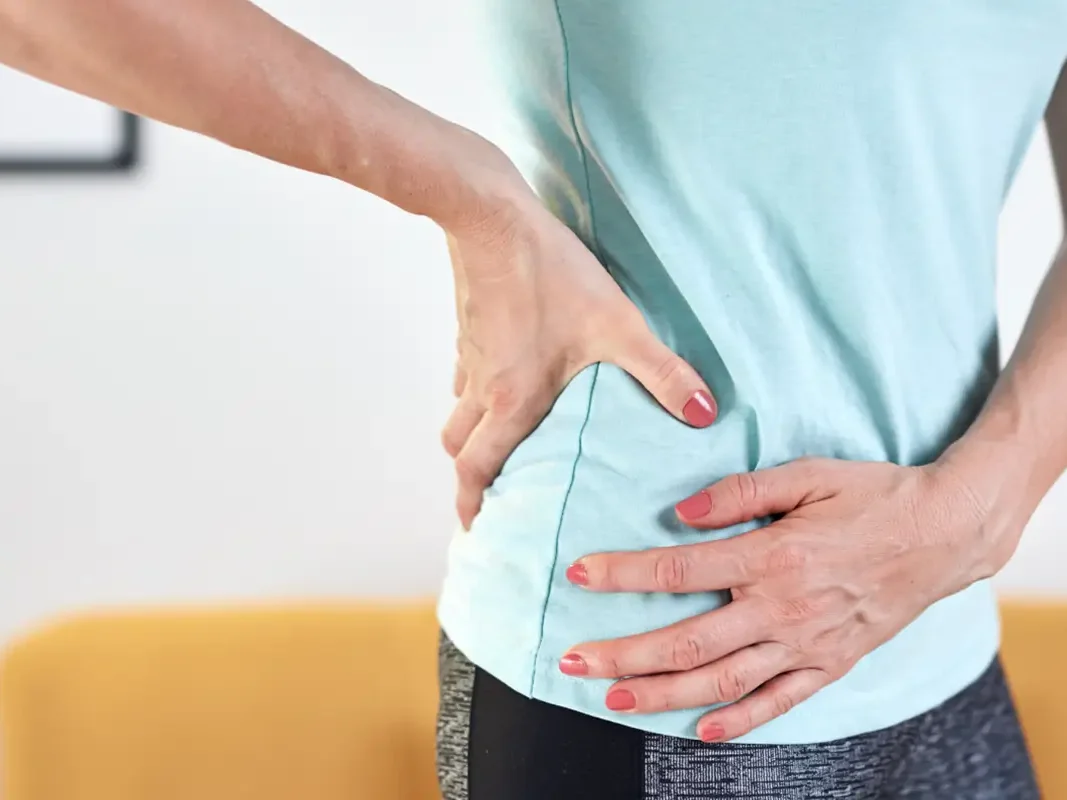
The kneecap glides in a shallow groove, and it only stays centered if the hip controls the thigh bone underneath it. When the glutes fatigue or the foot collapses inward, the groove rotates out from under the kneecap and the tissue behind it gets irritated. The tell is pain on stairs, after long sitting, or on downhill walks. The knee is usually not the weak link. The hip is.
Pain on the outside of the hip, worst when you lie on that side or cross your legs, usually comes from the tendons that attach on the bony point of the hip and the small fluid sac beneath them. It is a load problem, not a damage problem. Prolonged standing on one leg, sitting with the knees crossed, and stretches that press the tendon into the bone all keep it angry. Loading it correctly settles it.
Cartilage thins with mileage and with age, and stiff mornings plus a shorter stride are the early signs. Wear on a scan does not decide how much pain you feel. Plenty of people have arthritic images and comfortable joints, and the difference is usually the strength of the muscles surrounding them. Building that strength and restoring the range you have lost changes how the joint feels day to day.
The meniscus is the shock absorber between your thigh and shin bones. It frays with years of twisting and squatting, and it can tear outright with one bad pivot. Catching, swelling after activity, and pain deep in the joint line are the usual signs. Many degenerative tears do well without surgery when the surrounding muscles take enough of the load off the damaged tissue.
Your glutes control how far the thigh rotates and drops inward with every step. When they are weak or slow to fire, the knee drifts inward on landing and twists slightly on each stride. One step is nothing. Several thousand a day, for months, is what turns it into pain. Waking those muscles up and then strengthening them under real load is the piece most home programs skip.
If your ankle cannot bend far enough to let your knee travel forward, your body finds the motion somewhere else, and the knee and hip pay for it. The same is true of a stiff low back that will not let the hip extend behind you. This is why we assess the whole leg and the trunk instead of only the joint you point to.
How physical therapy in Bentonville and Springdale helps.
You do not need a physician referral to start. Arkansas is a direct access state, so you can book an evaluation now, and we verify your benefits before your first visit. Hip and knee pain is one of the most treatable problems we see, in part because so much of it comes from strength and mechanics rather than damage. Your therapist watches you walk, squat, and balance on one leg, then tests the hip, knee, and ankle separately to find where the chain breaks down. Early sessions use hands-on work to restore lost motion and settle the irritated tissue. After that the plan becomes strength, and it stays strength: glutes, quadriceps, calves, and the trunk, loaded in the positions that caused you trouble. You see the same therapist every visit. The goal is not simply a quieter knee. It is stairs, hills, and a full day on your feet without negotiation.
What to expect from your recovery.
Your evaluation
The first visit is hands on from the start. We watch how you walk, squat, and step down, test hip and thigh strength position by position, check how far your ankle and hip actually move, and flag anything that belongs with a physician. You leave knowing where the chain breaks down and an honest estimate of how long this should take.
Hands-on relief
Next we give the joint its motion back. Manual therapy and soft tissue work quiet the irritated tissue and free up the hip, knee, and ankle so you can move without guarding or limping. Every technique has a reason, and your therapist explains it before it happens rather than after.
Strength that holds
Then we load it. Glute, quadriceps, and calf strengthening progressed step by step teaches the leg to absorb force the way it was built to. We rehearse the specific things that hurt, stairs, hills, getting off the floor, so the improvement transfers to your life instead of staying in the clinic.
Before I started therapy, I had terrible hip pain from bursitis in my right hip. Lots of knee pain too, specifically my right knee.
Pain rarely travels alone.
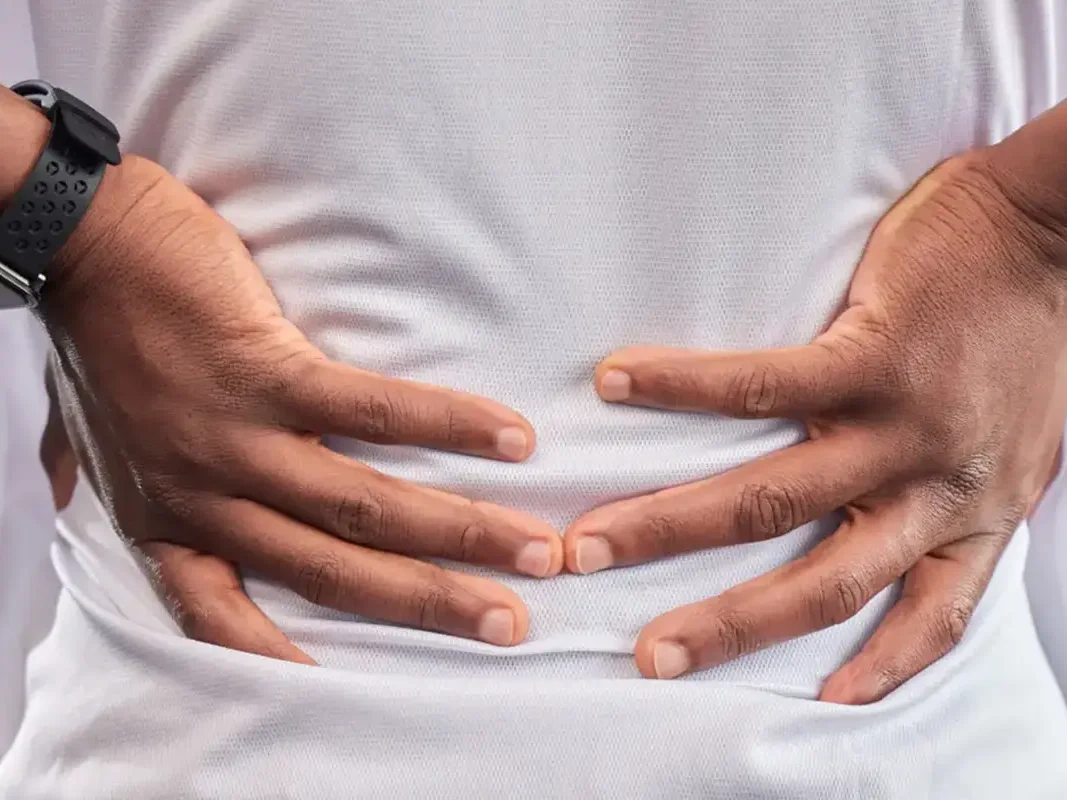
Back Pain & Sciatica
Hips that will not extend force the low back to arch for them, and nerve irritation in the back can be felt as pain in the hip or thigh. We check both before treating either.
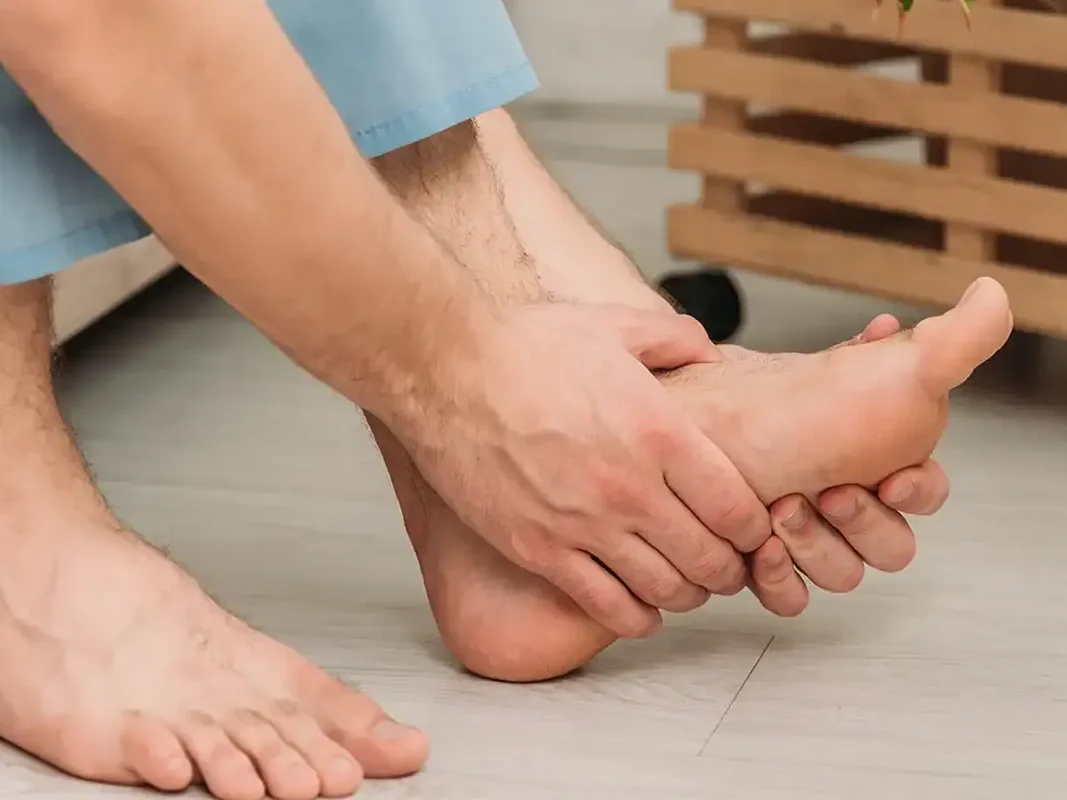
Foot & Ankle Pain
An ankle that will not bend far enough sends that motion up to the knee instead. Stiffness below the knee is one of the most common hidden drivers of pain above it.
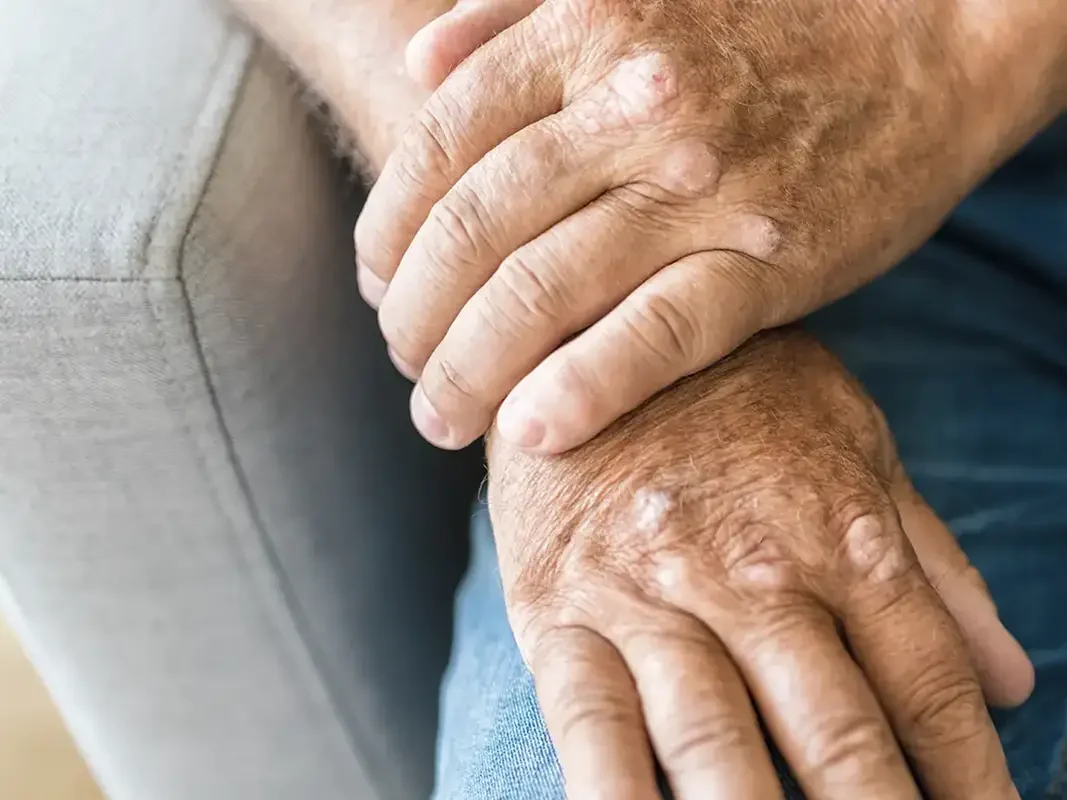
Arthritis
The hip and knee are the joints where arthritis shows up most. How much it limits you depends far more on surrounding strength than on what the image shows.
Ready when you are.
Fri: 8:00am - 1:30pm