Therapeutic Exercise in Bentonville and Springdale, AR
Stop managing the weakness. Start rebuilding it. Guided, progressive exercise that gives the painful joint the support it has been missing.

What is therapeutic exercise?
You have already been told to strengthen it. Maybe you were handed a photocopied sheet of exercises, and maybe you got through a week of them before life took the time back. Therapeutic exercise is that same advice done properly, because someone is standing next to you while you do it. It is a prescribed, progressive program of specific movements chosen for your body, your injury, and the stage of healing you are actually in, not a general fitness routine. Your therapist tests what is weak, what is stiff, and what is compensating, then builds a sequence that loads the right tissue at the right time and changes as you change. Early on that can mean small, controlled work to wake up a muscle that has gone quiet after an injury or a surgery. Later it means real load, real range, and real effort, because that is what tissue needs in order to get stronger. Every repetition has a reason behind it, and the plan gets adjusted visit by visit based on what your body gives back.
Therapeutic exercise is the backbone of physical therapy at Russ Physical Therapy, and the rest of what we do supports it. Hands-on work opens a joint up so you can move it. Exercise is what teaches your body to hold that range on its own. That is why it takes up most of your visit and most of your week between visits. It is also the part you keep. When treatment ends, the strength and the movement pattern you built are still yours, and they go home with you.
Who therapeutic exercise is for.
Therapeutic exercise is for anyone whose real problem is strength or control, whether that started with a surgery, an injury, or several years of the body slowly doing less.
Strength you lost after surgery or injury
A knee that spent six weeks in a brace does not come back on its own. Muscle shrinks quickly and returns slowly, and it returns in a specific order. Graded exercise rebuilds it in that order, so you move from getting through the day to trusting the leg on stairs, on a ladder, and on uneven ground in the yard.
Pain that keeps coming back to the same spot
You get relief, then it returns a month later. That pattern usually means the tissue is being asked to do more than it is currently strong enough to do. Building capacity in the muscles around the painful area gives the joint support it has been missing, so the same spot stops absorbing the whole load every time.
Everyday movement that quietly got harder
Getting up off the floor. Lifting a grandchild. Carrying the groceries in one trip. Nothing is torn, it simply takes more out of you than it used to, so you start avoiding it. A progressive program rebuilds the specific strength those tasks ask for and gives you a reason to stop working around them.
What to expect in a session.
Your therapist is beside you for the work, correcting the movement as it happens rather than watching from across the room.
Evaluation and baseline testing
Your first visit is an evaluation. Your therapist measures strength, range of motion, and how you actually move, then talks through what you need to get back to and gives you an honest estimate of what that is likely to take. Those measurements become the baseline we retest against, so progress is something you can see on paper instead of something you have to guess at.
Coached work, corrected as you go
You move through your program with your therapist right there. Form gets adjusted in the moment, because a squat performed with the wrong hip pattern quietly rehearses the exact problem you came in for. Load, repetitions, and range change as you tolerate more. One therapist stays with your case from evaluation to discharge, so nobody has to relearn your history halfway through.
A home program you will actually run
You leave with a short set of movements that need no equipment you do not already own. We keep the list small on purpose, because four exercises you genuinely do beats twelve you skip by Thursday. At each visit your therapist asks what felt hard or sore at home and adjusts the program before it becomes a reason to quit.
Arkansas is a direct access state, so you can book an evaluation without seeing a physician first. We are in network with BCBS, Medicare, TRICARE, Humana, Ambetter, ARKids First, AAA, and Workers' Compensation, and we verify your benefits before your first visit so the cost is not a surprise. Call (479) 250-4014 for either the Bentonville or the Springdale clinic.
I really gained strength going to Russpt everyone was so nice and helpful. I am now doing my exercises at home. I would recommend Russ Physical Therapy to anyone who needs therapy.
Where to go next.
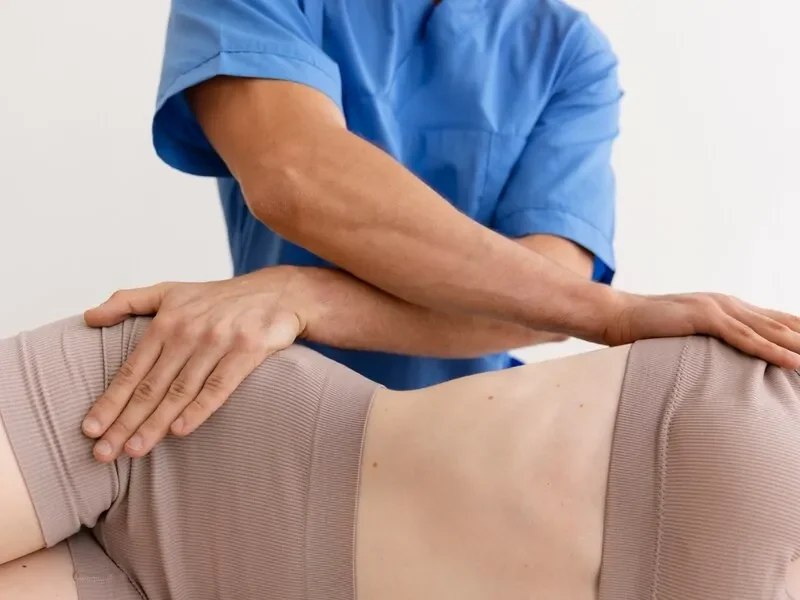
Manual Therapy
Hands-on joint and soft tissue work that opens up range so your exercise program has something to build on.
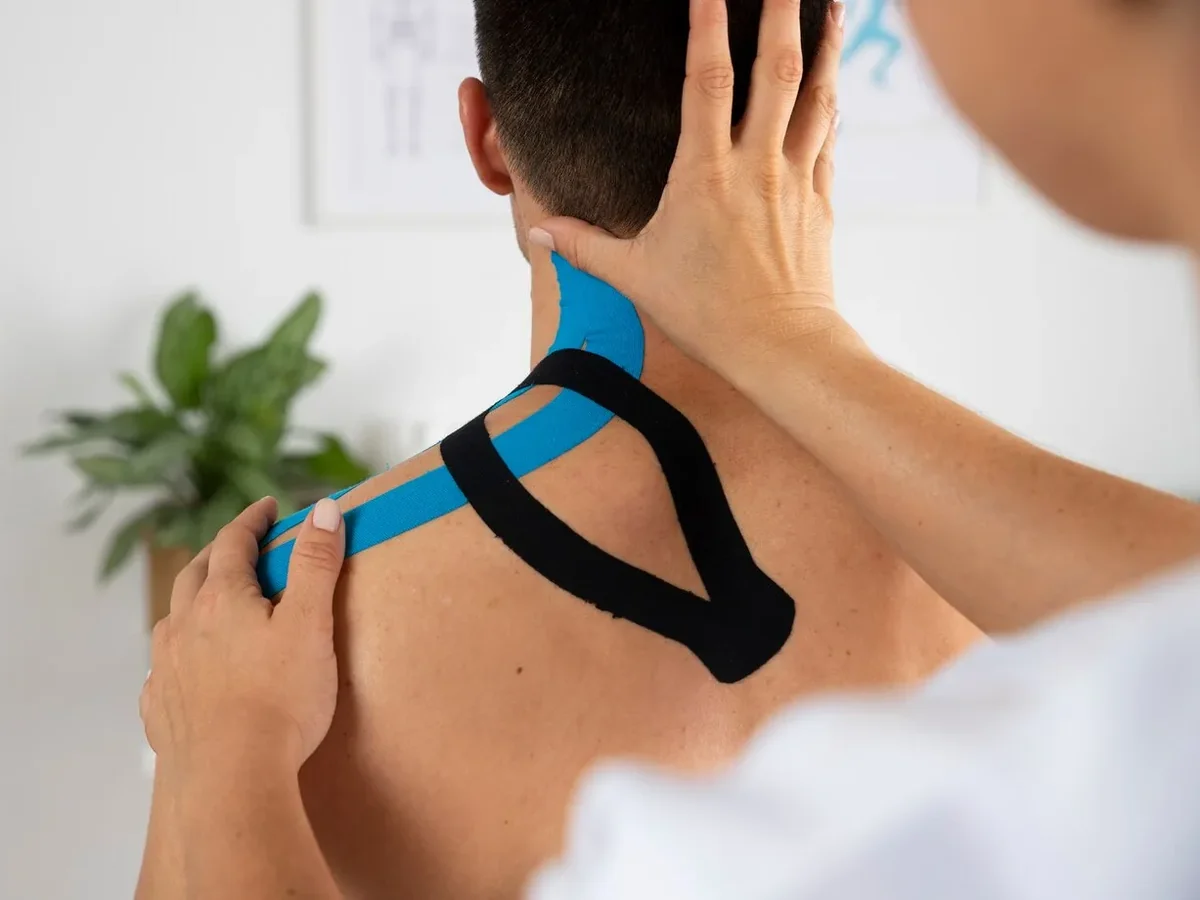
IASTM
Instrument-assisted soft tissue work for restriction that stretching alone has not been able to reach.

Arthritis
Stiff, achy joints respond well to the right amount of loading. Here is how we build it without pushing you into a flare.
Ready when you are.
Fri: 8:00am - 1:30pm