Dizziness and Vertigo in Bentonville and Springdale, AR
Rolling over in bed sets the room spinning. You have started turning your head slowly, on purpose, all day long. Dizziness almost always has a mechanical cause, and most of those causes respond to treatment.
What causes dizziness and vertigo?
Dizziness is a symptom, not a diagnosis, and the word covers several very different problems. True vertigo, where the room spins, usually comes from the inner ear. Lightheadedness, a swimming head, or a feeling of floating usually does not. The treatments for those are not interchangeable, which is why so many people have already tried exercises that did nothing. Our team includes a clinician with Certified Level 1 and Level 2 Vestibular Therapist credentials, so the first job is naming which of these you actually have.

Tiny calcium crystals in your inner ear normally stay put. When they get dislodged, your brain gets a false signal that you are spinning. Certain head movements trigger violent spinning. The good news is that BPPV responds extremely well to repositioning maneuvers, often with relief in a single session. It is one of the most satisfying conditions to treat precisely because the fix can be so fast once the affected canal is identified.
Sometimes the nerve that connects your inner ear to your brain becomes inflamed, usually from a virus. This causes severe vertigo that can last days or weeks. Recovery usually happens on its own, but physical therapy can accelerate it and prevent complications. Without guided movement during recovery, the brain can develop compensation patterns that leave lingering unsteadiness long after the initial inflammation resolves.
The joints and muscles of the upper neck send constant position updates to the brain, and those updates have to agree with what the inner ear and eyes report. A stiff, guarded, or injured neck sends bad data, and the disagreement registers as dizziness. This kind rarely spins. It feels more like floating or swaying, it tracks with neck pain and headaches, and it is worse after a long day at a desk. Treating the neck itself is what resolves it.
Dizziness can be a migraine event with no headache attached at all. Busy patterns, fluorescent lighting, grocery store aisles, and scrolling on a phone are common triggers because the nervous system is running hypersensitive. Your physician manages the migraine side. Therapy raises your tolerance for motion and visual load a little at a time, so the world stops feeling like it is coming at you.
A hit to the head can disrupt both the inner ear and the way the brain coordinates eyes, head, and body. That leaves people dizzy, foggy, and worse in busy environments, often for months. Our team holds a Brain Injury Certificate from the APTA. Recovery here means structured, graded reintroduction of the exact movements that provoke symptoms, at a dose that settles by the next day rather than knocking you flat.
The inner ear loses sensitivity with age the way hearing does. There is no single dramatic episode, just a slow drift toward feeling unsure in the dark, on stairs, or turning around quickly. It gets written off as getting older. The remaining signal can be trained to work harder, and the eyes and legs can be trained to fill the gap.
How physical therapy in Bentonville and Springdale helps.
Everything starts with a proper examination, because the treatments here are genuinely different from each other. Your therapist watches your eyes during specific head and body positions, tests how your neck moves, checks your balance with and without vision, and asks careful questions about what your dizziness actually feels like. For BPPV, that examination identifies which canal the crystals are in, and repositioning maneuvers move them back. For an inner ear that has lost function, we use gaze stabilization and habituation drills that push your brain to recalibrate. For a neck-driven case, we treat the neck.
The second half of the work is undoing what dizziness taught you. People stop turning their heads, stop looking up, avoid the grocery store, and drive with their eyes locked forward. Those habits outlast the original problem and keep your world small. Graded, deliberate exposure to the movements you have been avoiding is how that comes back. This is a real strength of our team, and it is treated with the same seriousness as any orthopedic case. Arkansas has direct access, so you do not need a referral to book an evaluation, and we verify your benefits first.
What to expect from your recovery.
Pain: name the cause
The first visit is mostly testing. Position changes, eye movement, neck mobility, balance with your eyes open and closed. You leave knowing which kind of dizziness you have and what the plan is. If it is BPPV, treatment can begin in that same visit, and some people feel a large change before they walk out.
Prime and perform: retrain the system
Now we provoke symptoms on purpose, in measured doses. Gaze stabilization, head turns, position changes, and balance work all ask your brain to recalibrate against a signal it has been ignoring. This phase is uncomfortable and it is supposed to be mildly so. The dose is set to settle within a short time, never to wreck your evening.
Prevent: get your world back
The last phase targets what you have been avoiding. Checking traffic over your shoulder. Looking up at a top shelf. Walking down a busy aisle. Bending to load the dishwasher. You leave with a short program to hold your gains and a plan for what to do if symptoms return, because some causes can recur.
Came in for pelvic floor and back pain problems during pregnancy. Worked with the team to strengthen my core right up until delivery.
Pain rarely travels alone.
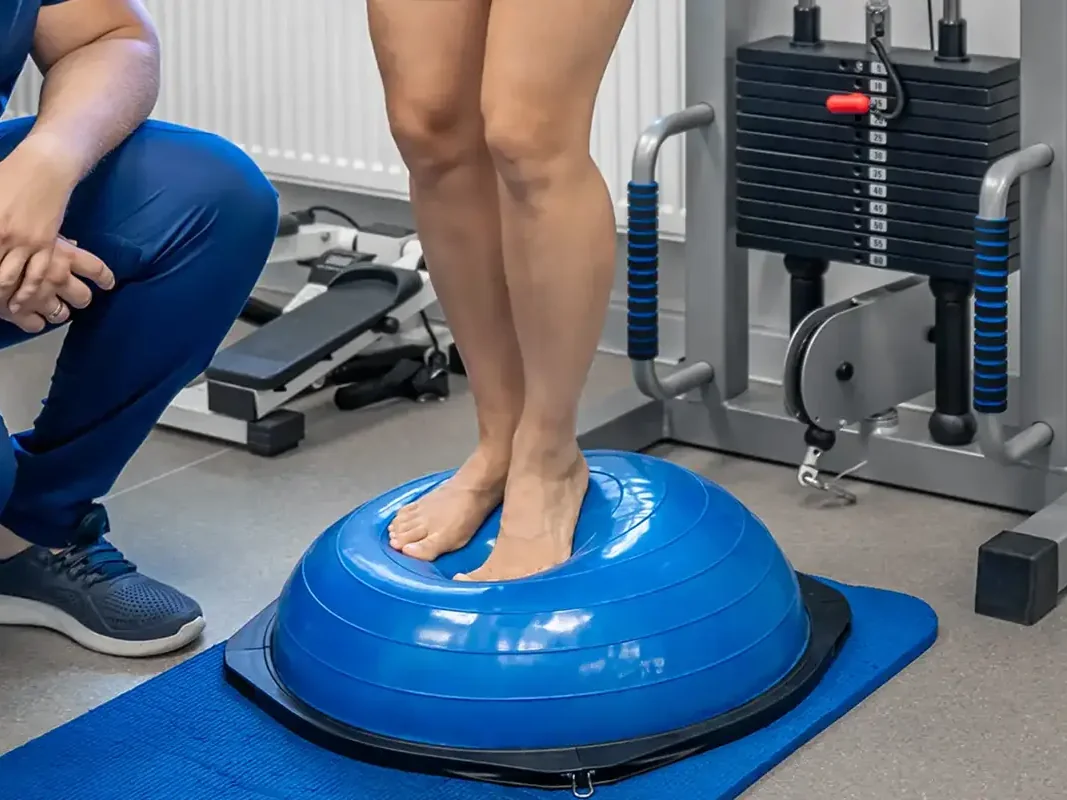
Balance & Gait Disorders
When dizziness lasts, walking usually suffers with it, and the strength you lost while avoiding movement has to be rebuilt separately.
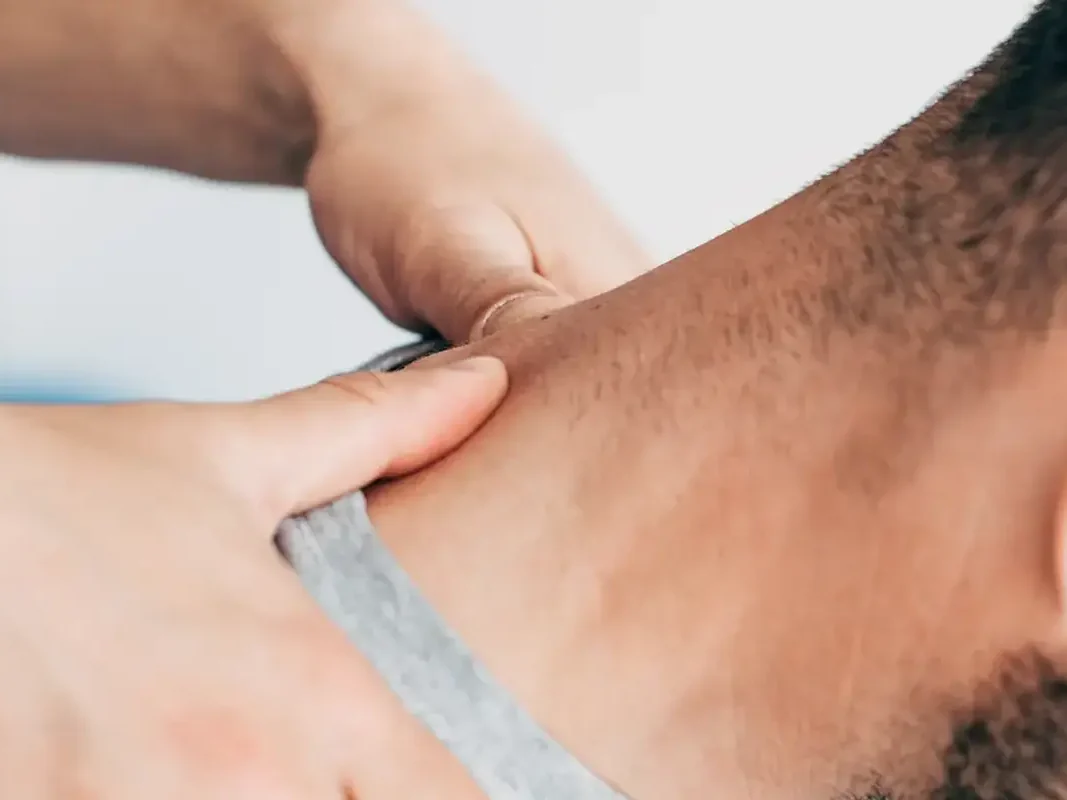
Neck Pain
The upper neck feeds position data straight into your balance system. Cervicogenic dizziness is treated at the neck, not the ear.

Arthritis
Months of moving carefully to avoid triggering symptoms stiffens joints that were already sore. Both problems need attention.
Ready when you are.
Fri: 8:00am - 1:30pm