Neck Pain in Bentonville and Springdale, AR
You have tried a new pillow, a standing desk, and stretching it at every red light. If the stiffness and the headaches keep coming back, one evaluation is where that pattern breaks.
What causes neck pain?
Your neck holds your head upright for every waking hour and still has to turn, tilt, and nod on demand. That is constant work for a small stack of joints and the muscles wrapped around them. When one segment stops moving well, the segments above and below take on load they were never built for, and the tissue absorbing the difference is the tissue that starts to hurt. Naming the actual source is what separates relief that holds from a good week followed by the same ache.
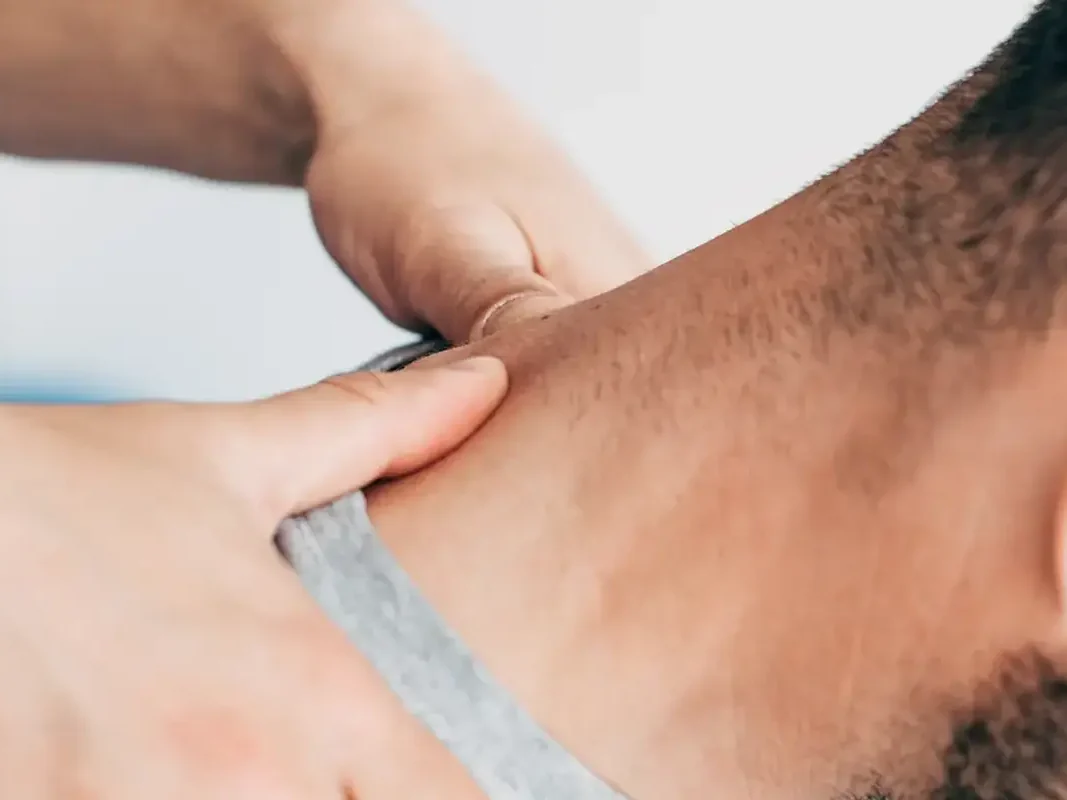
Every inch your head drifts toward the screen multiplies the work the muscles at the back of your neck have to do to hold it there. Eight hours later those muscles are fatigued, the joints at the base of the skull are compressed, and the familiar ache arrives around mid afternoon. This is not a flaw you were born with. It is an endurance problem, and endurance is trainable.
A hard turn of the head, a heavy carry on one shoulder, or a night on the wrong pillow can overload the upper trapezius and the muscles that run from the neck to the shoulder blade. The muscle guards, shortens, and develops tender bands that refer pain up behind the ear or out toward the shoulder blade. Hands-on release combined with gentle, progressive movement settles that guarding far faster than rest alone.
Headaches that start at the base of the skull and wrap forward toward the temple or behind one eye often come from the top segments of the neck, not from the head at all. They tend to be one sided, worse after a long day at a screen, and unmoved by headache medication. Treating the joints and muscles that attach to the skull is what turns that pattern off.
The discs and the small paired joints at the back of each vertebra can become irritated by a past injury, by age related change, or simply by holding one position too long. Turning to one side hurts, backing out of a driveway becomes a project, and the pain can spread into the shoulder blade or down the arm. Restoring movement at the involved level and unloading it usually calms symptoms without imaging or injections.
A collision, a fall, or a hard hit stretches the soft tissue of the neck faster than it can absorb. Even after the first wave of pain fades, the deep stabilizing muscles often stay switched off and the neck stays sensitive to quick movement for months. Retraining those muscles is what closes the injury out instead of leaving a neck that flares every few weeks.
Your neck cannot rotate freely if the upper back beneath it is locked up. When the mid back stops moving and the muscles that anchor the shoulder blades are weak, the neck makes up the difference every time you reach, drive, or look over your shoulder. Freeing the upper back and strengthening the shoulder blade muscles takes that borrowed work off the neck, and it is often the piece nobody has addressed.
How physical therapy in Bentonville and Springdale helps.
You do not need a physician referral to begin. Arkansas is a direct access state, so you can book an evaluation now, and we verify your benefits before your first visit. Your therapist starts by testing how each segment of your neck moves, how much endurance the deep neck muscles have, what your upper back and shoulder blades are contributing, and which tissue actually reproduces your symptoms. That is what tells us which of the causes above is yours. Early sessions use joint mobilization and soft tissue release to give the movement back and calm the guarding. From there the work turns to training: deep neck strength, shoulder blade control, and upper back mobility, so your neck stops borrowing effort it does not have. You see the same therapist every visit and the plan changes as you do. The goal is a neck that gets through a workday, a long drive, and a full night of sleep without reminding you it is there.
What to expect from your recovery.
Your evaluation
The first visit is hands on from the start. We measure how far you turn and tilt, test the endurance of the deep neck muscles, check the mobility of your upper back, screen the nerve if symptoms travel into the arm, and flag anything that belongs with a physician. You leave knowing what is driving your symptoms and an honest estimate of how long this should take.
Hands-on relief
Next we get the neck moving again. Joint mobilization, soft tissue release, and targeted dry needling (at our Bentonville clinic) quiet the overworked muscles and give back the rotation you have been working around. Every technique has a reason, and your therapist explains it before it happens rather than after.
Strength that holds
Then we build. Deep neck training, shoulder blade strengthening, and upper back mobility give the neck real support instead of borrowed effort. We also set up your desk, your screen height, and your sleeping position, because those hours are what decide whether the relief lasts past discharge.
The staff are very knowledgeable, competent and are highly skilled. They work diligently to ensure that their parent's therapy goals are fulfilled in a caring, timely, and safe manner.
Pain rarely travels alone.
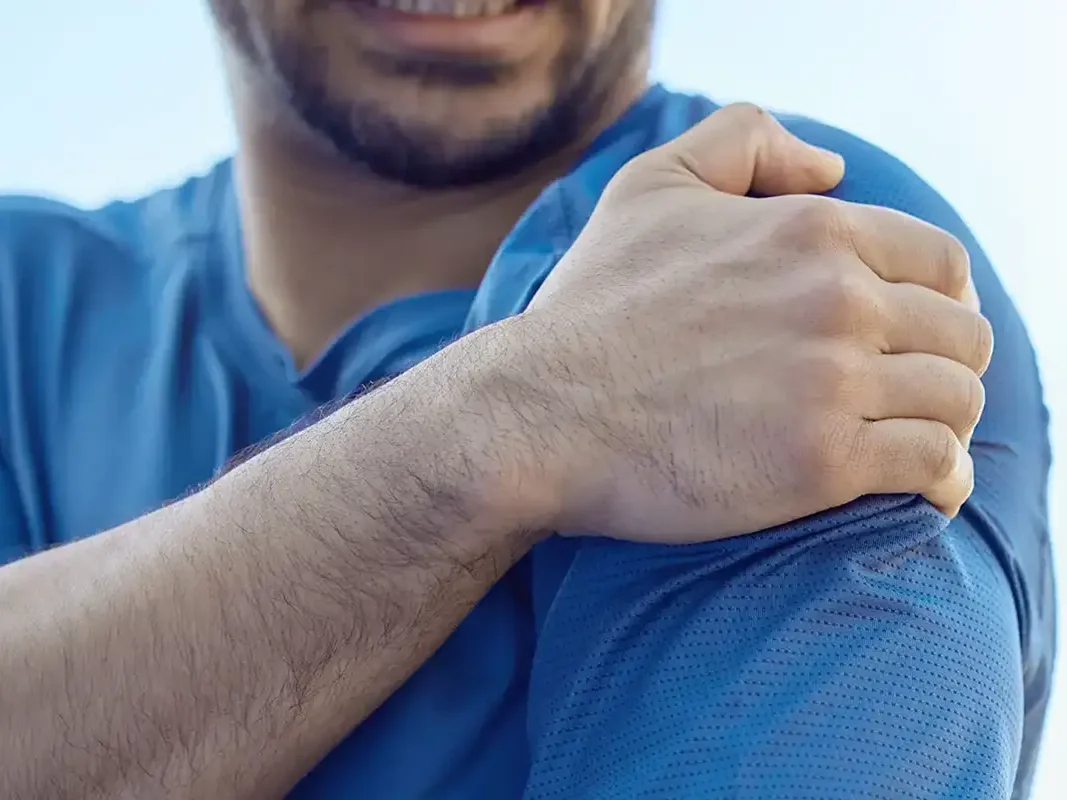
Shoulder Pain
The nerves that run your shoulder start in your neck, and the same muscles span both. Neck pain is often felt as shoulder pain, so we screen both.

Back Pain & Sciatica
The spine works as one column. A stiff mid back forces the neck to move for it, which is why the two so often hurt in the same season.

Motor Vehicle Accident Injuries
Whiplash is the most common neck injury after a collision. Starting rehab early keeps a temporary injury from becoming a chronic one.
Ready when you are.
Fri: 8:00am - 1:30pm