Work Injuries in Bentonville and Springdale, AR
You did not stop working when it started hurting. Lifting injuries and repetitive strain rarely settle on their own, and every shift you push through adds to the deficit.
What causes work injuries?
You felt it in the middle of a lift, or you did not feel it at all until the drive home. Either way you finished the shift, took some ibuprofen, and went back the next day. That is what most people do, and it is exactly why work injuries drag on. The job does not pause to let tissue heal, so the same load lands on the same irritated structure every day. Here is a plain look at how these injuries actually happen, and what has to change for them to stop.

Most acute work injuries happen when load, speed, and a bent or rotated spine line up in the same moment. It rarely takes a heavy object. A moderate load lifted off the floor while turning puts far more stress on the low back than the same weight lifted square and close to the body. The tissue that gives way is usually the one already fatigued from the previous hour. Recovery means calming that tissue down and then rebuilding the strength and the technique that let you handle the load.
Some injuries have no moment you can point to. Repeating the same reach, grip, or overhead motion hundreds of times a shift accumulates faster than tissue can repair between shifts. Tendon pain, forearm and wrist symptoms, and an ache that builds late in the week and fades on days off are the usual signs. Treatment has to address both the irritated tissue and the pattern that keeps feeding it, or the symptoms come straight back on the next rotation.
Standing on concrete all day, sitting in one position for a whole shift, or holding a tool at arm's length loads structures that never get to unload. Static positions cut circulation to working muscle and let joints settle at the end of their range. The result is stiffness, aching, and eventually pain that follows you home. Small changes to your setup and to how often you change position often make a large difference, and we go through those with you.
A fall at work injures more than the part that hit the ground. People brace, twist, and catch themselves, so a fall onto one hip can leave a strained back, a sore knee, and a wrist that will not take weight. We evaluate the whole chain rather than only the spot that is loudest, because the compensations from an awkward landing are usually what lingers after the bruise is gone.
The most common thing we see is not a severe injury. It is a moderate one that got twelve weeks of pushing through. Guarding changes how you move, the uninjured side takes over the work, and now there are two problems instead of one. Coming in early is not being cautious. It is the shortest route back to full duty, and it usually means fewer visits.
We are in network with Workers' Compensation and treat work injuries under it regularly. We do not file or manage your claim, and we do not set your work status. Your employer, the carrier, and your physician handle those pieces. What we do is evaluate you, treat you, document your progress, and communicate objective measures so that decisions about restrictions and return to work are based on what your body can actually do that week.
How physical therapy in Bentonville and Springdale helps.
We start by matching the injury to the job. Your evaluation covers the tissue that hurts and the movement pattern that loaded it, because sending you back to the same demand with the same mechanics is how re-injury happens. Hands-on treatment settles the irritated structures. Then the plan progresses into loaded, work-specific strength: lifting from floor height, carrying, gripping, reaching, and holding a position for a real amount of time. Arkansas is a direct access state, so no physician referral is needed to start. We are in network with Workers' Compensation, BCBS, Medicare, TRICARE, Humana, Ambetter, ARKids First, and AAA, and we verify your benefits before the first visit.
What to expect from your recovery.
Evaluation and job demands
We take the mechanism of the injury and then the real demands of your job: what you lift, how often, from what height, and how long your shifts run. We measure strength, motion, and tolerance. You leave with a clear picture of the gap between where you are now and what the work requires.
Settle the tissue, fix the pattern
Hands-on treatment for the irritated structures, paired with movement that reteaches the pattern that failed. We keep you moving rather than resting completely, because tissue that is loaded correctly recovers better than tissue left idle.
Load it up and return to duty
Progressive strength work built around your specific tasks and taken up to the load your shift actually asks for. We document what you can do objectively, and we send you out with a maintenance program and a warm-up you can run before a shift.
Before Physical Therapy, I was still hobbling around in a lot of pain. My Physical Therapists were able to guide me every step of the way. Helping me to build strength and to be pain free.
Pain rarely travels alone.
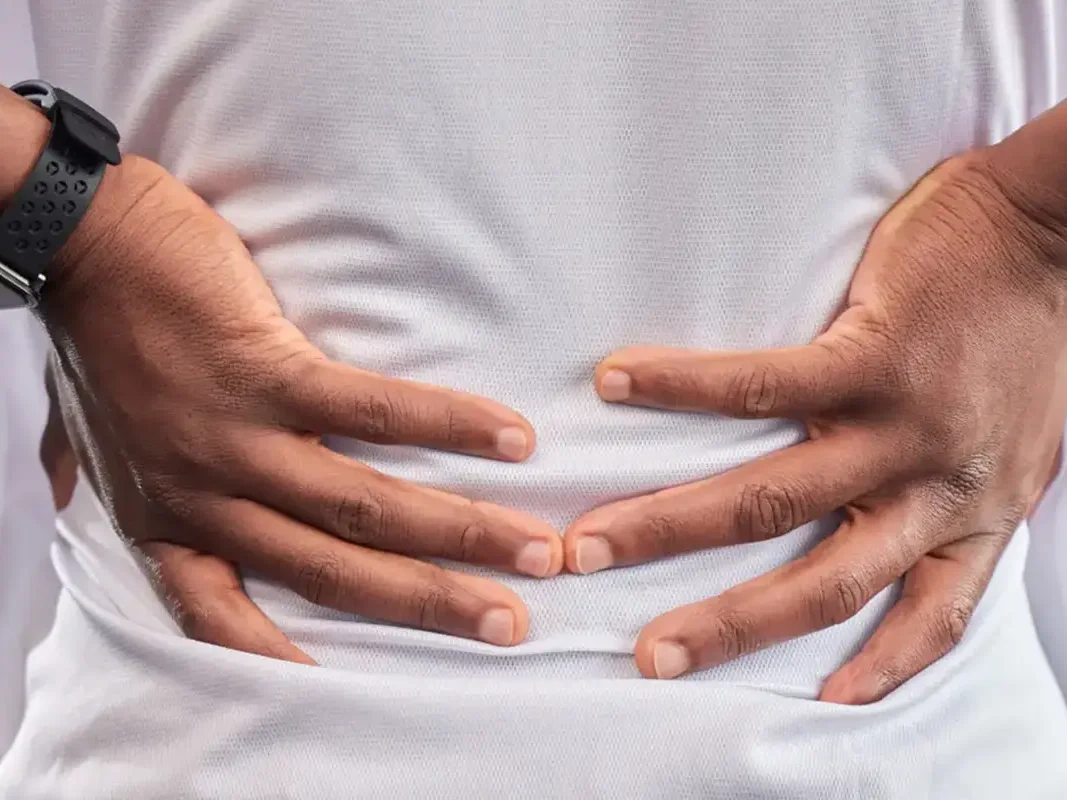
Back Pain & Sciatica
Lifting injuries land in the low back more than anywhere else. The spine and hips get treated together.
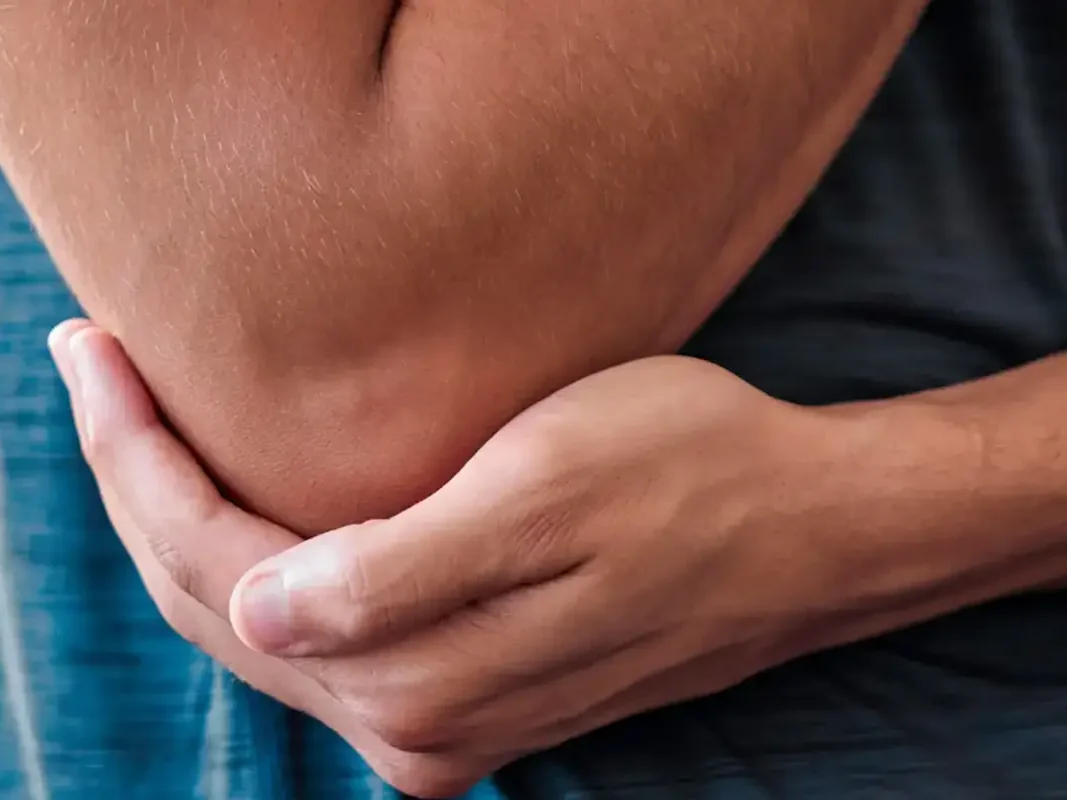
Elbow, Wrist & Hand Pain
Gripping, typing, and repetitive tool work show up here first. Tendon pain responds to loading, not rest alone.
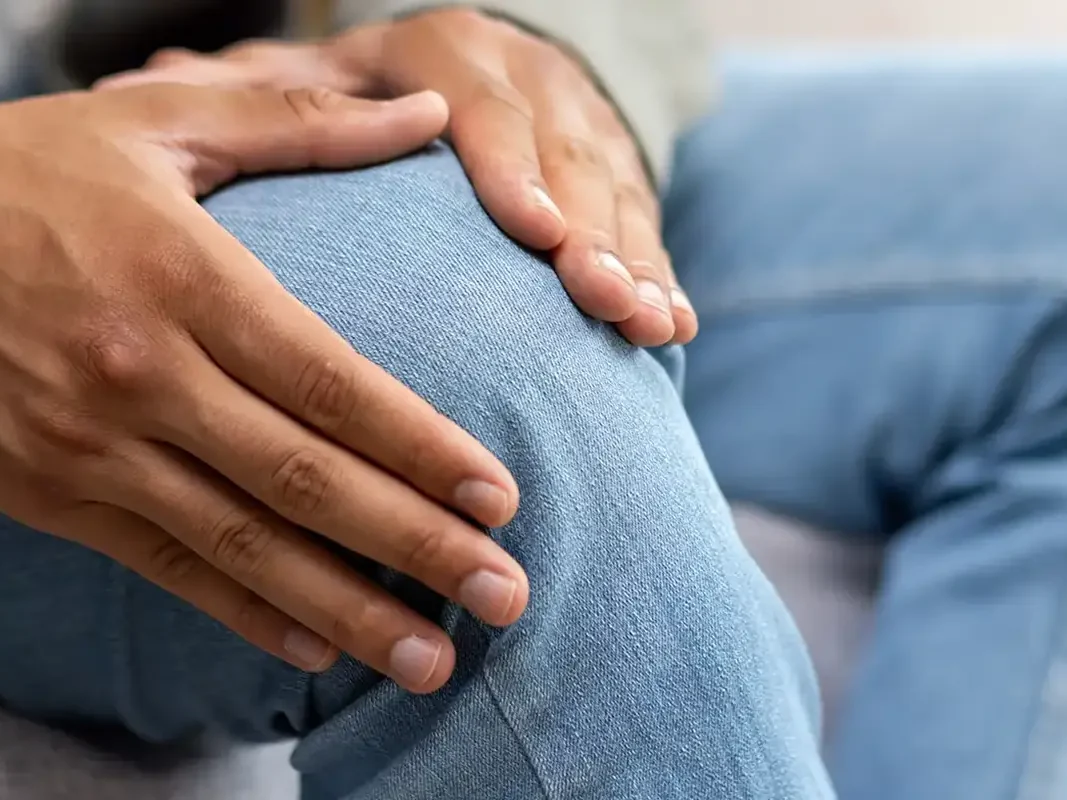
Joint Pain
When one joint absorbs the same load every shift, it complains. We find out which one and why.
Ready when you are.
Fri: 8:00am - 1:30pm