Laser Therapy in Bentonville and Springdale, AR
Not a cure. A supporting tool. A few quiet minutes of light applied to an irritated area so the hands-on work and the exercise that follow are easier to tolerate.
What is laser therapy?
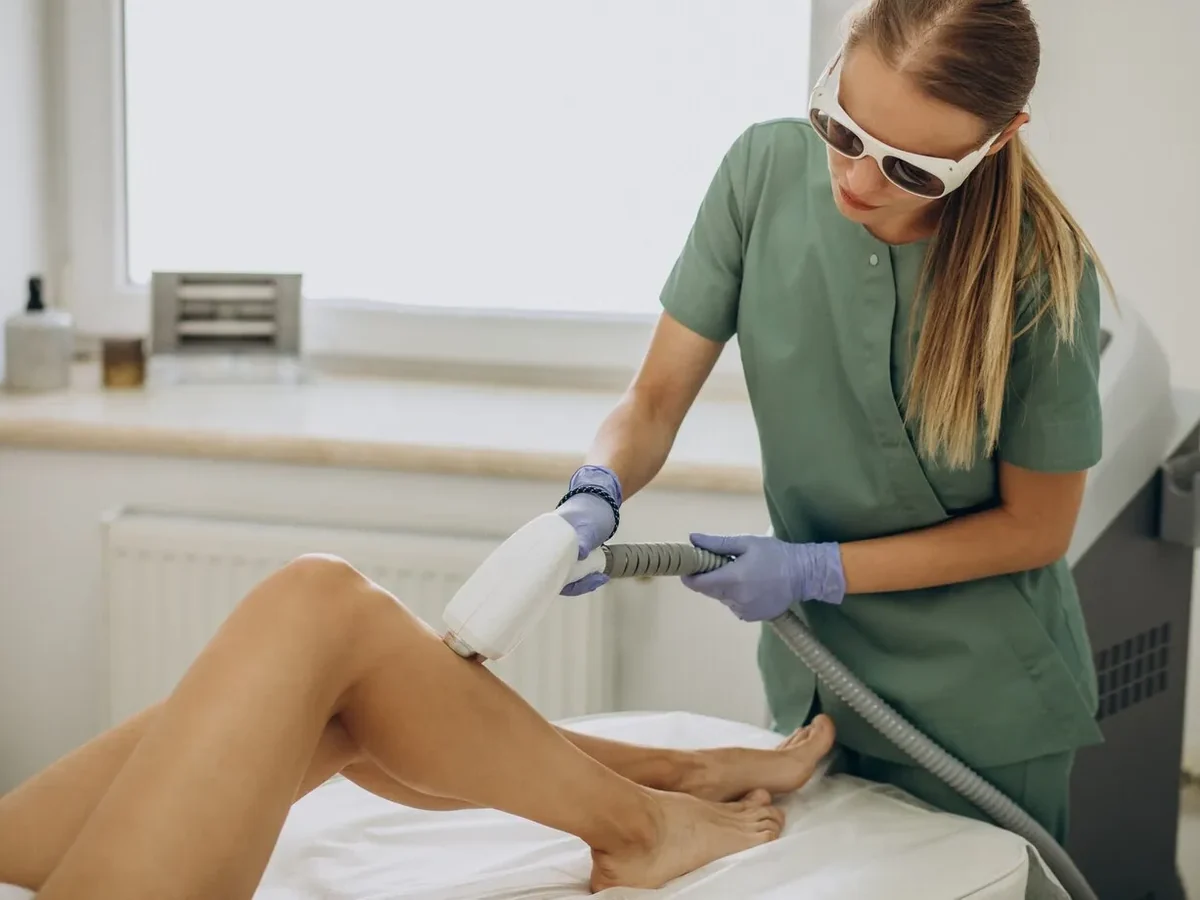
You have probably seen laser therapy advertised somewhere as the answer to everything. We are going to be straight with you about it instead. Laser therapy, sometimes called low level laser or photobiomodulation, delivers specific wavelengths of light into tissue through a handheld applicator. The light is absorbed by the cells in the treated area, and the intent is to support the local healing environment and take the edge off pain and swelling in a spot that is irritated. There is no heat to brace for, nothing breaks the skin, and there is nothing to recover from. You feel a warm applicator moving over the skin for a few minutes and then you get on with the rest of your session. It is comfortable, and for some people it takes enough of the sting out that the real work of the visit becomes possible.
Here is the honest framing. Laser is an adjunct, which means it supports treatment rather than being the treatment. Light applied to a sore shoulder does not restore the range you lost or rebuild the strength around the joint. Hands-on work and a progressive exercise program do that, and laser earns its place by making them more tolerable in the early, painful stage. Your therapist will tell you plainly whether it is worth including in your plan, and will say so if it is not.
Who laser therapy is for.
Laser is used selectively, on a specific irritated area, and always as one part of a plan that also includes hands-on treatment and exercise.
A newly angry area you cannot yet work through
An elbow, a heel, or a shoulder that is too irritated to load properly right now. A few minutes of laser at the start of the visit can quiet things enough that you get through your exercises without guarding, which is what moves the recovery along in the first place.
A stubborn tendon that flares every time you push
You make progress, you add a little load, the tendon protests and you lose the week. Laser will not rebuild the tendon, but used alongside a graded loading program it can keep the day to day irritation manageable while the tissue slowly builds tolerance to the work.
Someone looking for a drug-free option to add
Maybe you cannot take anti-inflammatories, or you would rather not. Laser is comfortable, non-invasive, and has nothing to recover from afterward. It is a reasonable thing to try alongside your program, and your therapist will be honest with you about whether it is actually helping.
What to expect in a session.
Laser takes up a small part of the visit. Most of your time is still spent on hands-on work and exercise.
Evaluation first, then a decision about laser
Nobody gets laser before an evaluation. Your therapist examines the area, works out what is driving the pain, and builds your plan around hands-on treatment and exercise. Laser is added only if the irritation is limiting what you can do in the session, and you will hear the reasoning out loud rather than just having a device pointed at you.
A few quiet minutes of treatment
You sit or lie down and the applicator is moved slowly over the area, usually for several minutes. You may feel mild warmth or nothing at all. Everyone in the room wears protective eyewear. There is no recovery period, no restriction afterward, and you move straight into the rest of your session.
The work that actually changes things
The remainder of the visit is the part that carries your recovery: manual work to restore movement, then loaded exercise to rebuild what the area lost. Your therapist tracks whether adding laser is genuinely helping your tolerance from visit to visit, and drops it from the plan if it is not earning its place.
Laser is not applied over an active cancer or a suspicious lesion, and it is never directed at or near the eyes. Tell your therapist if you are pregnant, if you have a history of cancer, if you take medication that increases light sensitivity, or if you have any implanted device, and clear it with your therapist before treatment. If laser is not appropriate for you, your plan of care does not change in any meaningful way, because the hands-on work and the exercise were always the main event.
I started out not being able to carry, lift, or hand anything about five pounds. I couldn’t even lay on my side or drape my arm around my husband. Now I virtually have no pain with anything.
Where to go next.
Manual Therapy
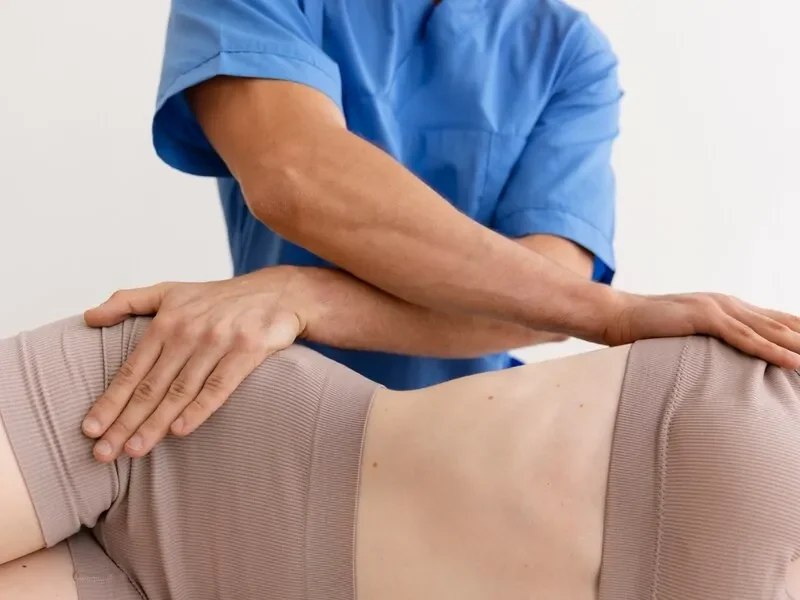
The hands-on half of your visit. Joint and soft tissue work that restores the movement laser cannot.

Ultrasound Therapy
Another supporting modality used the same way, on the right area, at the right point in your plan.
Arthritis
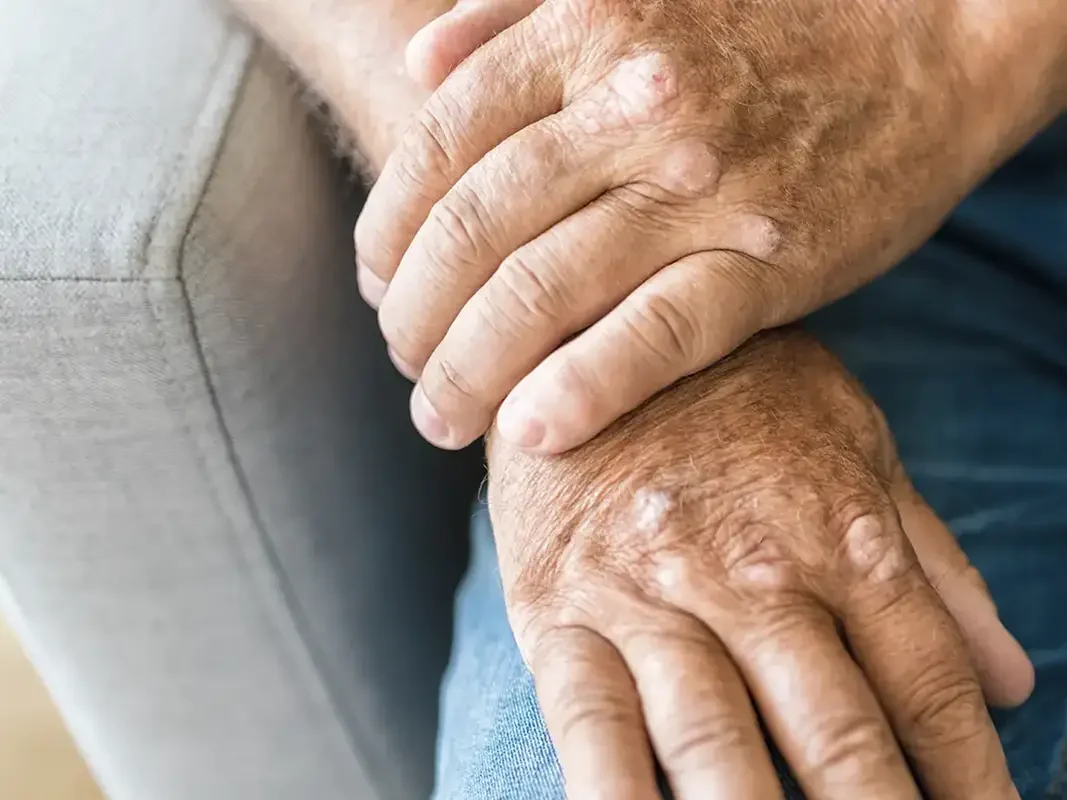
Stiff, sore joints that flare with activity. How we load them enough to help without setting them off.
Ready when you are.
Fri: 8:00am - 1:30pm