Ultrasound Therapy in Bentonville and Springdale, AR
Deep heat that reaches tissue a hot pack never touches, used to make stiff, guarded tissue willing to move before your therapist works on it.
What is ultrasound therapy?
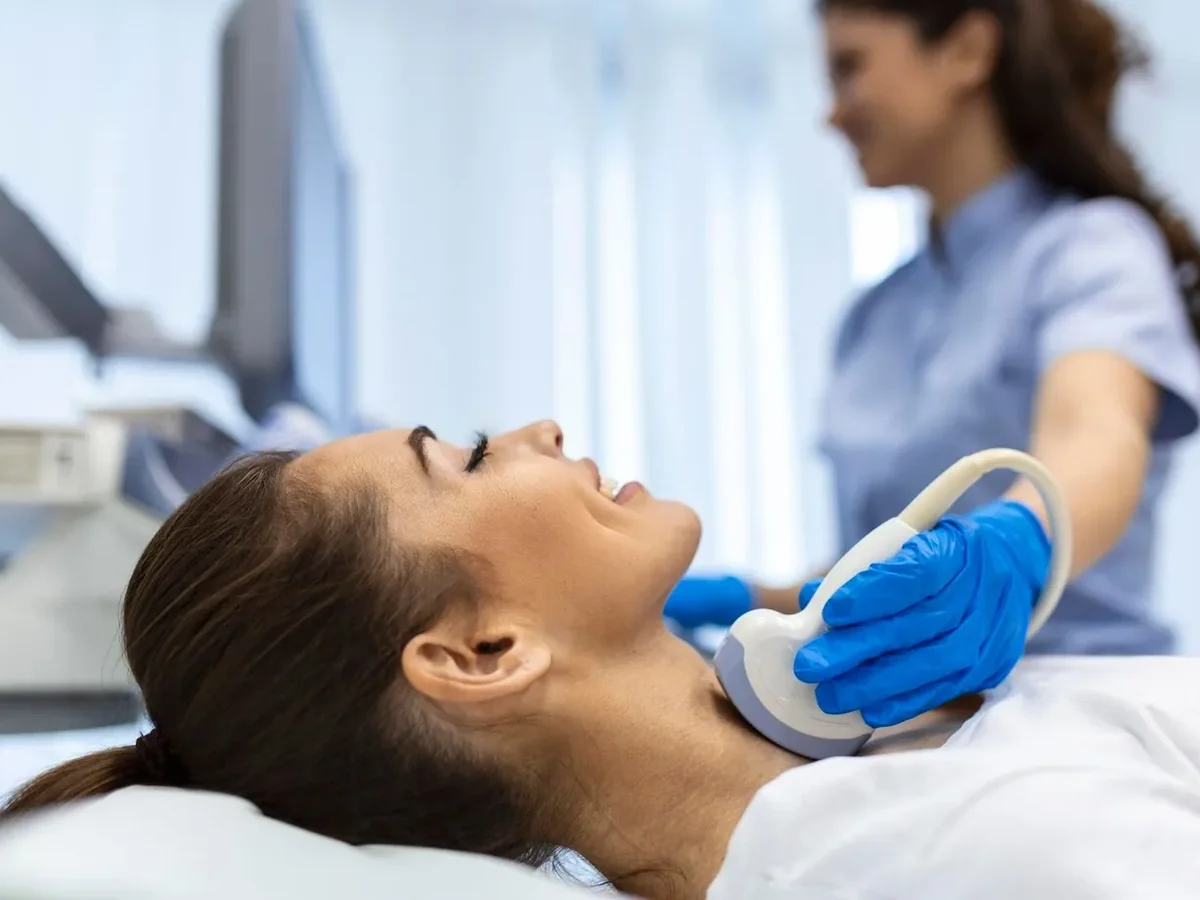
You have been stretching it. You have been putting a heating pad on it at night, and it helps for about ten minutes after you take it off. Therapeutic ultrasound is a different kind of work. Your therapist moves a small sound head over the skin with gel, and sound waves travel past the surface into tissue a hot pack never reaches. That energy warms the deeper layers, increases circulation in the treated area, and makes tight tissue more willing to lengthen. One thing to be clear about: this is not the ultrasound that takes a picture of anything. There is no image and no screen. It is a treatment, not a scan. The only things you will feel are mild warmth and the head moving in slow circles.
Your therapist chooses the settings for the job in front of them. A continuous setting drives steady deep heat into stiff tissue before hands-on work and stretching. A pulsed setting delivers energy in bursts with far less heating, which is the choice when an area is still irritable or recently injured. Either way, ultrasound is a window, not a cure. It opens a stretch of time where tissue moves more easily, and what happens inside that window is what actually changes. That is why nobody gets sent home the moment the sound head comes off. The heat gets paired with joint mobilization, stretching, and loading, because the heat is the setup and the movement is the treatment.
Who ultrasound therapy is for.
Ultrasound is a tool inside a plan, not a plan by itself. It earns its place when tissue is stiff, scarred, or guarded enough that hands-on work and exercise cannot get traction on their own.
Stiffness that will not warm up
Shoulders, calves, and hips that feel like concrete for the first hour of the day. Surface heat fades before it ever reaches the tissue that is actually restricted. Deep heating gets that tissue pliable first, so the stretching and hands-on work that follow finally move something instead of bouncing off.
Scar tissue and old healed injuries
Healed strains, repaired tears, and surgical scars leave tissue that is thicker and less willing to glide. Warming it before mobilization makes it more extensible, and that is when scar and adhesion start to respond instead of just complaining. Progress here is measured across weeks, not in a single visit.
Soft tissue pain that has lingered
Tendon pain, bursitis, or plantar fascia pain that has been around for months. A pulsed setting can be used when an area is still too irritable for aggressive hands-on work, which gives your therapist a way to start loading you sooner instead of telling you to wait it out.
What to expect in a session.
Ultrasound is one part of a visit, never the whole visit. It takes a handful of minutes, and it is scheduled around the work it is meant to make possible.
Assessment and setup
Your therapist checks the area, confirms there is no reason to avoid ultrasound on that particular spot, and picks a continuous or pulsed setting based on how irritable the tissue is. You get positioned so the target tissue is relaxed. Cool gel goes on the skin, because sound will not travel through air.
The treatment itself
The sound head moves in slow, continuous circles over the area for several minutes. You should feel mild warmth and nothing more. If you feel a hot spot or anything sharp, say so and your therapist adjusts, because that usually means the head is not moving enough or the intensity is set higher than the tissue wants.
The part that actually matters
The gel comes off and you go straight into the work the heat was for: joint mobilization, stretching, and the exercises that hold on to the range you just gained. You leave with a version of that to run at home while the tissue is still responsive, usually starting the same day.
Therapeutic ultrasound is not applied over a pacemaker or an implanted stimulator, over an active or suspected malignancy, over an open growth plate in a child or teenager, over the abdomen or low back during pregnancy, or over a known blood clot. Tell your therapist about any implant, any cancer history, or a pregnancy at your evaluation. If ultrasound is off the table for you, it does not stall your plan. Manual therapy and graded exercise do the same job by a different route.
I was having hip and lower back pain in my spine. After physical therapy, there is no hip or spine pain. My back pain is 90% better. I am very impressed with how much better I feel.
Where to go next.
Manual Therapy
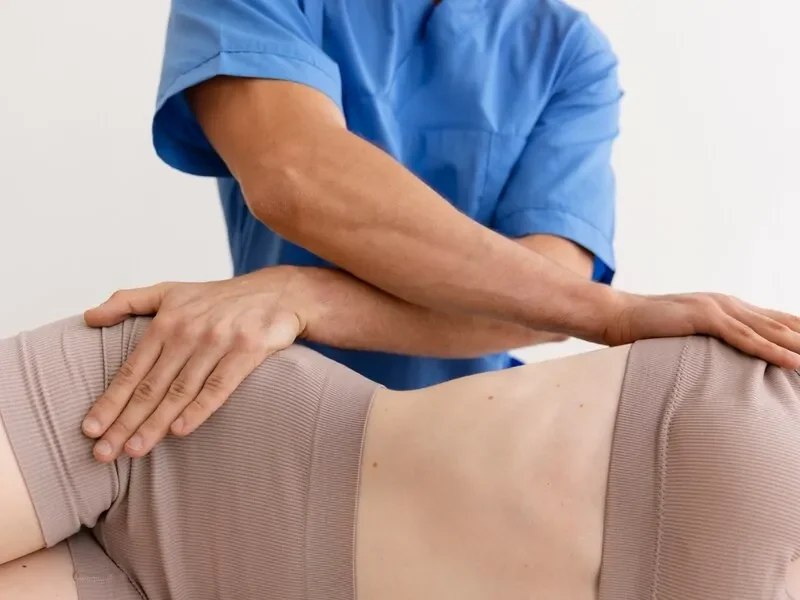
Hands-on joint and soft tissue work. Usually what follows the heat, and where the range you gain gets put to use.
IASTM
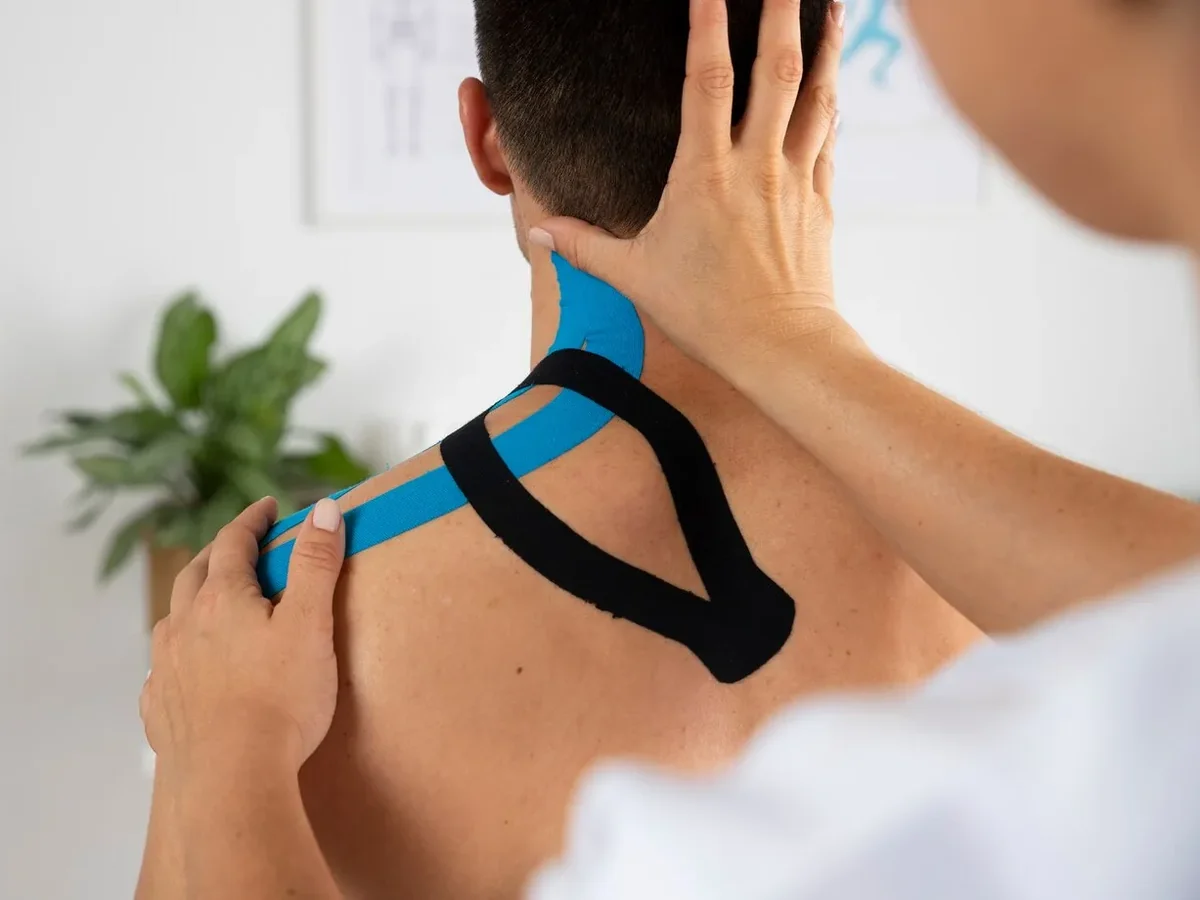
Instrument-assisted work on scar tissue and fascia that has stopped gliding, often paired with deep heating in the same visit.
Arthritis
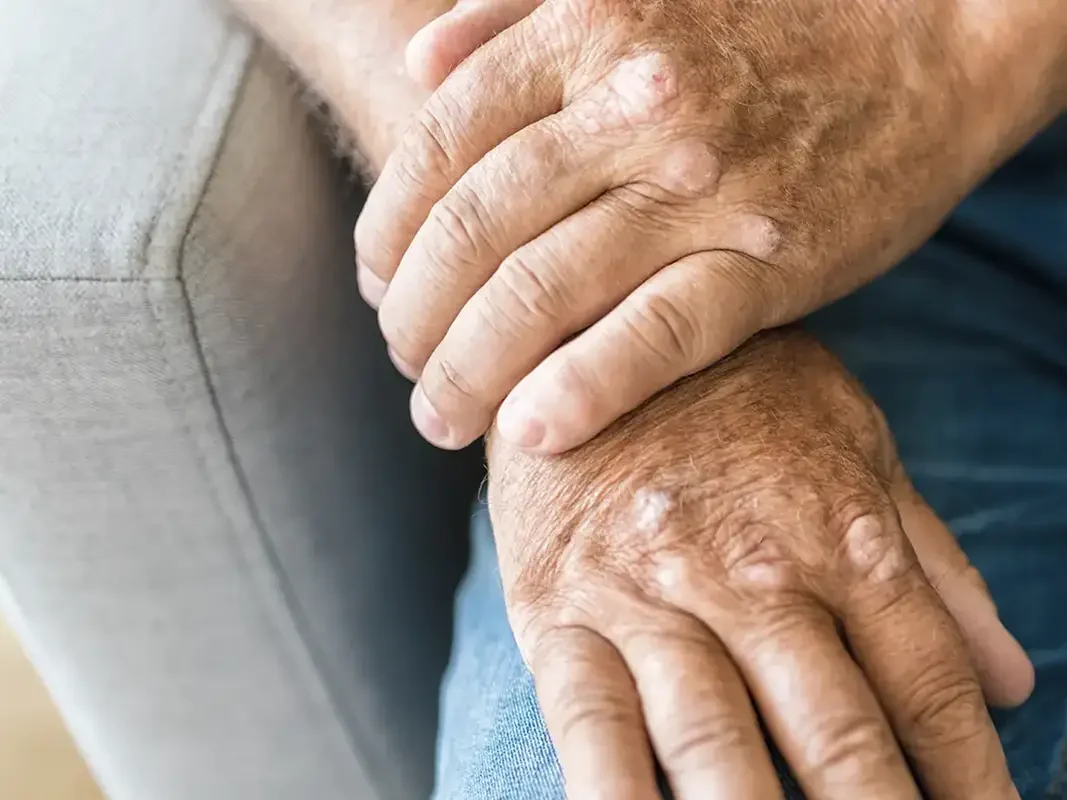
Stiff, aching joints that are worst in the morning. A plan built around keeping you moving, not around waiting out the flare.
Ready when you are.
Fri: 8:00am - 1:30pm