Electrical Stimulation in Bentonville and Springdale, AR
A supporting tool, not the treatment. Gentle current used to quiet pain, or to wake up a muscle that has stopped firing, so the real rehab can get going.
What is electrical stimulation?
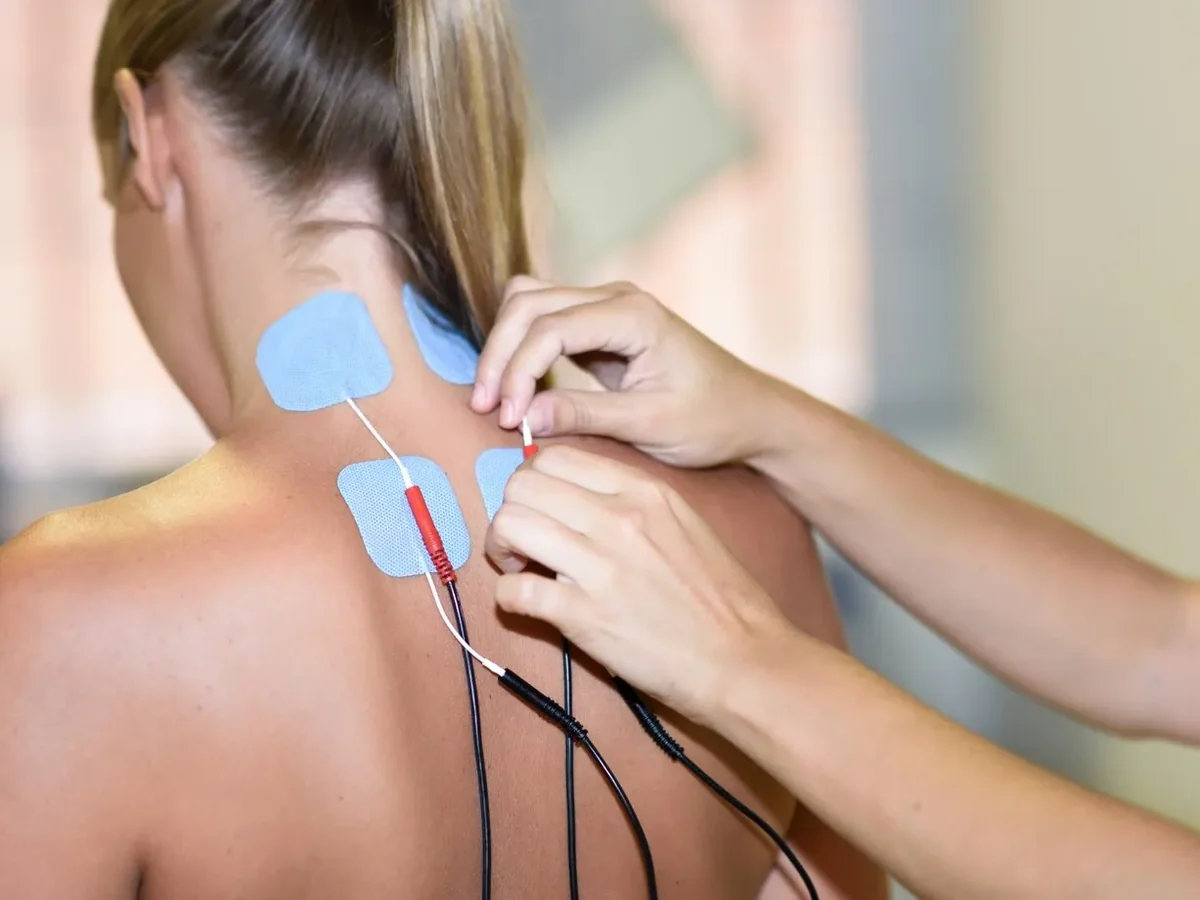
If you have had physical therapy before, you have probably had electrodes taped to your back at the end of a visit. It felt pleasant, and nobody explained much about it. Electrical stimulation, usually shortened to e-stim, sends a mild electrical current into tissue through pads placed on the skin. What that current is asked to do depends on the setting. Turned one way it targets pain, producing a light buzzing or tingling that changes what the nervous system is paying attention to in that area. Turned another way it targets muscle directly, producing a visible contraction in a muscle that has gone quiet after surgery or an injury and is not responding well to your own effort yet. The sensation is odd the first time and then unremarkable. It should never be painful, and you control how strong it goes.
We want to be clear about what this is. E-stim is an adjunct. It supports the treatment, it is not the treatment, and it does not repair anything on its own. Its usefulness is in the window it opens: a knee that will not fire after surgery can be helped to contract, and a back that is too irritated to be handled can be calmed enough to work on. What follows in that window, the hands-on treatment and the exercise, is what actually changes your recovery.
Who electrical stimulation is for.
E-stim is used for two specific jobs, and only when one of them is the actual obstacle in front of your recovery.
A muscle that will not switch on after surgery
The classic case is a quadriceps after knee surgery. You tell it to contract and almost nothing happens. Stimulation applied while you actively try to fire it can produce a real contraction, which gives you something to build on. As your own control returns, the machine comes off and your effort takes over.
Pain that blocks you from doing your exercises
A back or a neck so irritated that guarding takes over the moment you move. A few minutes of stimulation can take the intensity down enough for you to work through your program properly, which is the part that carries the recovery. It is a way into the session, not a substitute for it.
Someone who wants something between visits
Home units exist, and some patients use them. If that is a reasonable fit for you, your therapist will show you where to place the pads and what settings to use, and will be honest that the unit is there to manage symptoms. Your strength still comes from the program you run.
What to expect in a session.
If e-stim belongs in your plan, it takes a small slice of the visit and you stay in control of the intensity throughout.
Evaluation and a reason for using it
Your first visit is an evaluation, and your plan gets built around hands-on treatment and exercise. E-stim is added only if pain or a muscle that will not fire is genuinely standing in the way. Your therapist will explain which of those two jobs it is doing for you and what would tell us it is time to stop.
Pads on, intensity set by you
Electrodes are placed on clean, dry skin around the area. The intensity is turned up slowly and you say when it is enough. For pain it should feel like a strong but comfortable tingle. For muscle work you will see the contraction and be asked to push along with it. It should never hurt, and you can ask for it to be turned down at any point.
Straight into the work that matters
Pads come off and you move into manual treatment and your exercise program while the area is more cooperative. Skin can look slightly pink where the pads sat, which fades quickly. Over your plan of care the stimulation should be needed less and less as your own strength and control come back.
Electrical stimulation is not used over a pacemaker, a defibrillator, or any implanted electronic device, and it is not applied over the front of the neck, over broken or infected skin, or across an area of active cancer. Tell your therapist if you are pregnant, have a seizure disorder, have reduced sensation in the area, or have any implant at all, and clear it with your therapist before treatment. If it is not appropriate for you, your plan of care carries on with the hands-on work and the exercise that were doing the heavy lifting anyway.
I had such a wonderful experience at Russ Therapy. Not only did they help me lesson my knee pain, but they educated me on how I can continue to build strength and manage my pain.
Where to go next.
Manual Therapy
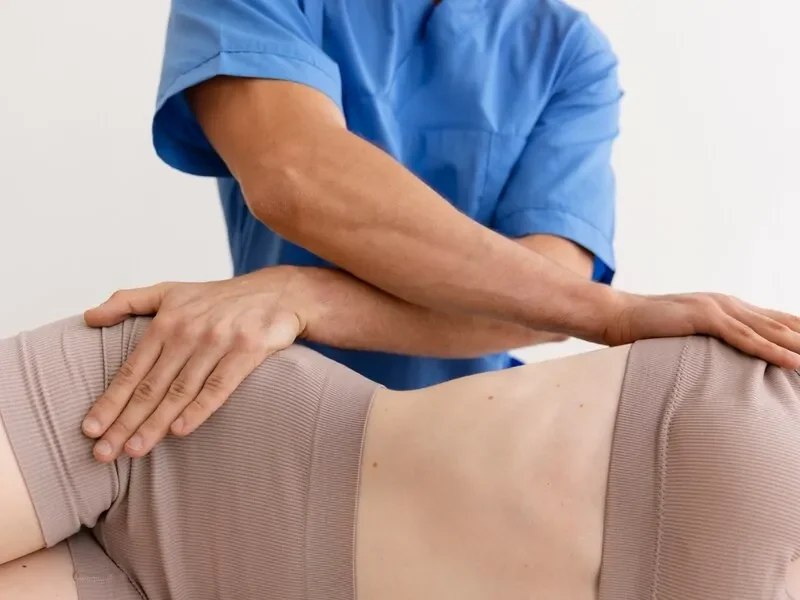
Hands-on joint and soft tissue work, the treatment that stimulation is there to make room for.

Therapeutic Exercise
The part that rebuilds the muscle for good, once stimulation has helped it start firing again.
Pre and Post Surgery Rehab
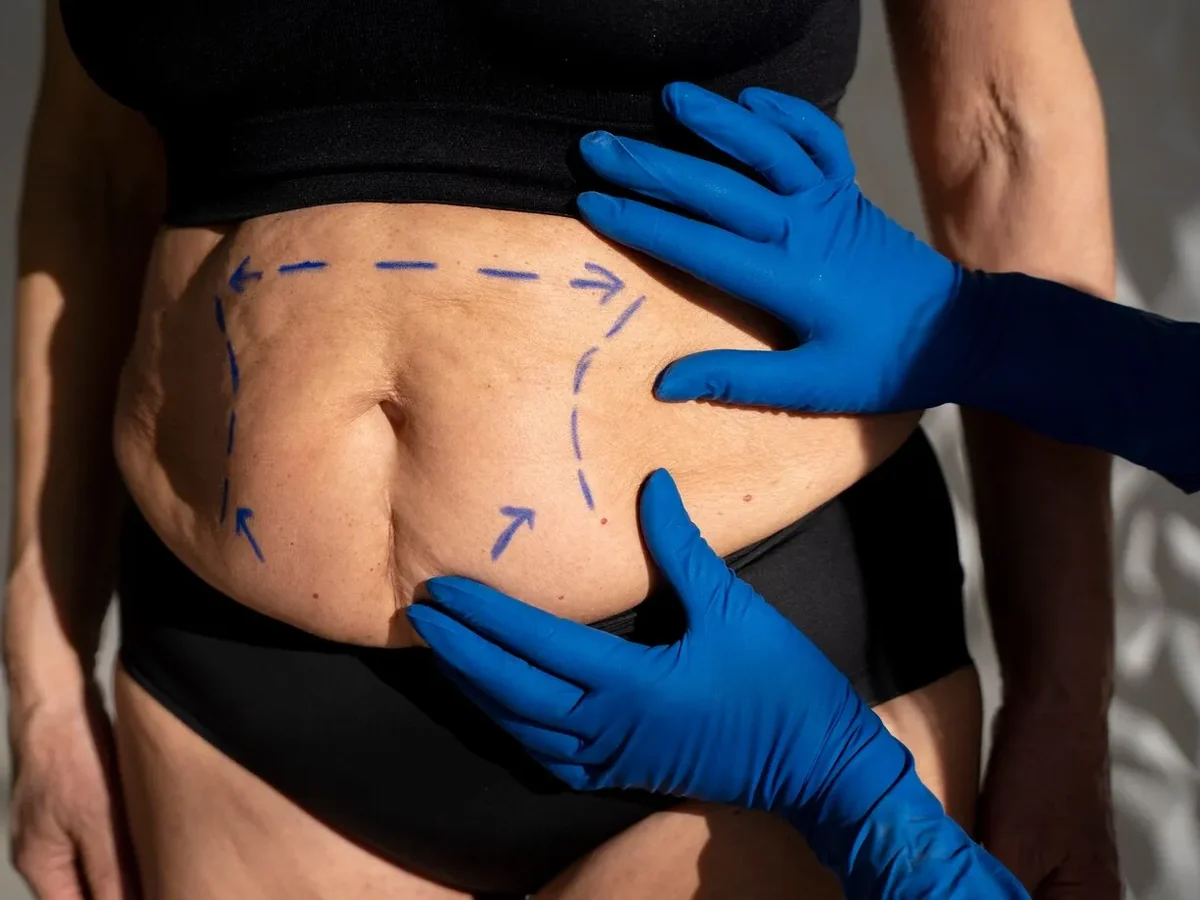
Where e-stim earns its keep most often. Structured recovery from the pre-op visit through discharge.
Ready when you are.
Fri: 8:00am - 1:30pm