Pre and Post Surgery Rehab in Bentonville and Springdale, AR
Surgery repairs the structure. It does not give back the strength you lost waiting for it. What you do in the weeks before and after decides how much of your function returns.
Why rehab before and after surgery matters
You have a date on the calendar, and almost everything you have been told is about the operation itself. Very little of it covers the six weeks before or the six months after, which is where your actual function gets decided. A joint that goes into surgery stiff and weak comes out stiff and weak. A joint that goes in strong has something to build on the moment your surgeon clears you to move. Rehab is not the part that happens if things go badly. It is the part that determines what the surgery is worth to you.
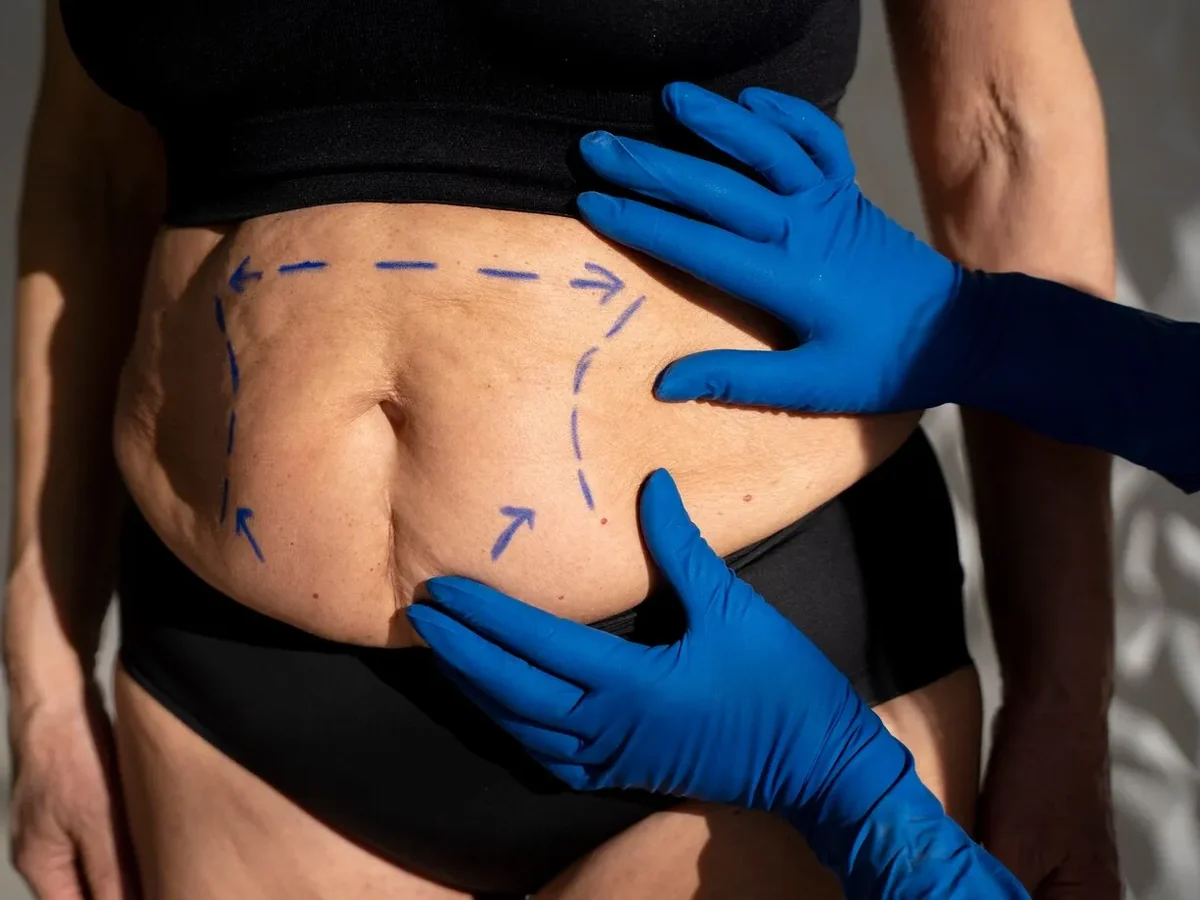
The weeks before an operation are the last easy chance to build strength, and they are usually spent resting. Prehab uses that window to strengthen the muscles around the joint, keep the neighboring segments moving, and get you competent with the exercises and the walking aid you will need afterward. Learning to use crutches or a walker while you are not in post-operative pain is far easier than learning it the day you get home.
Early rehab is a balance. Move too little and the joint stiffens while the muscle around it shuts down. Move outside what the repair can tolerate and you set yourself back. Your surgeon's protocol sets the boundaries and we work inside them. Within those limits there is a great deal to do: swelling control, protected motion, waking up muscles that have gone quiet, and keeping the rest of your body conditioned while one part recovers.
Tissue that has been cut and then held still lays down scar tissue, and scar tissue shortens if it is not moved. There is a window where motion is comparatively easy to restore and a point after which it becomes much harder to get back. Hands-on mobilization and consistent daily motion during that window are often the difference between a joint that moves fully and one that never quite does.
After surgery the muscles around the joint often refuse to fire well even when you tell them to, which is why a leg can feel like it belongs to someone else. This is a response to pain and swelling, not a strength problem you can push through with effort. Specific activation work, sometimes with electrical stimulation, restores the connection first. Loading the muscle only makes sense once it is answering.
We follow the protocol your surgeon sets, and when we have a question about a progression or a restriction we ask rather than guess. If something in your recovery looks like it belongs back in their office, we tell you so. We are one part of your care and not a replacement for the surgical team. Cases go best when everyone involved is working from the same plan and the same timeline.
The point where the pain stops is not the point where you are recovered. Strength, balance, and confidence usually lag behind comfort by weeks or months, and stopping at comfortable is the most common reason people never get back to what they were doing before. The last phase of rehab is the one that returns you to the ladder, the trail, the garden, or the field, and it is the phase most often skipped.
How physical therapy in Bentonville and Springdale helps.
Our role changes depending on where you are in the process. Before surgery we build strength and motion while there is still time, and we get you fluent in the exercises you will need on day one. After surgery we work inside your surgeon's protocol to control swelling, restore motion during the window when it is easiest to restore, wake up the muscles that shut down, and then load the joint progressively until it will do what your life asks of it. You see the same therapist through all of it, which matters more in post-surgical care than almost anywhere else, because the progression depends on someone who remembers what your last three visits looked like. No referral is needed to start in Arkansas, and we verify your benefits before the first visit.
What to expect from your recovery.
Before surgery: build the base
If there is time on the calendar, we use it. We strengthen what surrounds the joint, keep the neighboring segments moving, and teach you the exercises and the walking aid you will rely on afterward, so that nothing is new to you on the hardest day.
After surgery: motion and activation
Swelling control, protected range of motion inside your surgeon's limits, and specific work to get the quiet muscles firing again. This is the phase where consistency matters more than intensity, and where the program you run at home between visits does much of the work.
Loading, confidence, and discharge
Progressive strength, balance, and task-specific work taken up to the demands you actually have. We finish when you have the strength back and a program you can keep running on your own, not on the day the pain stops.
I had very good results! No more pain in my shoulder and much better range of motion. Thanks to Emily and Thomas they are awesome! I would recommend them to anyone having pain.
Pain rarely travels alone.

Hip & Knee Pain
Replacements and repairs at the hip and knee are the surgeries we rehab most. Motion first, then load.
Shoulder Pain
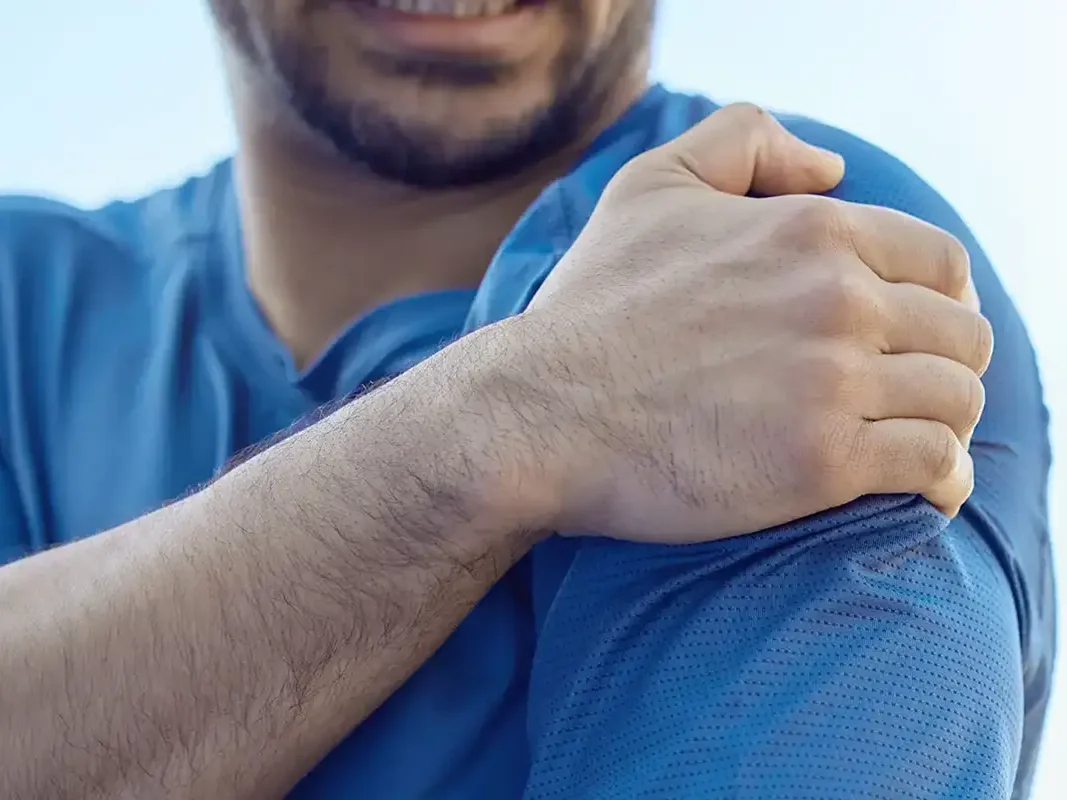
Repairs here need protected motion early and patient strengthening later. The order is not optional.

Joint Pain
Whether or not surgery is on the table, a painful joint deserves an honest evaluation first.
Ready when you are.
Fri: 8:00am - 1:30pm