Dry Needling in Bentonville, AR
A thin needle, placed straight into the band of muscle that has been driving your pain. Dry needling reaches tissue that stretching and massage keep missing.
Available at our Bentonville clinic only. Dry needling is not currently offered at our Springdale location.
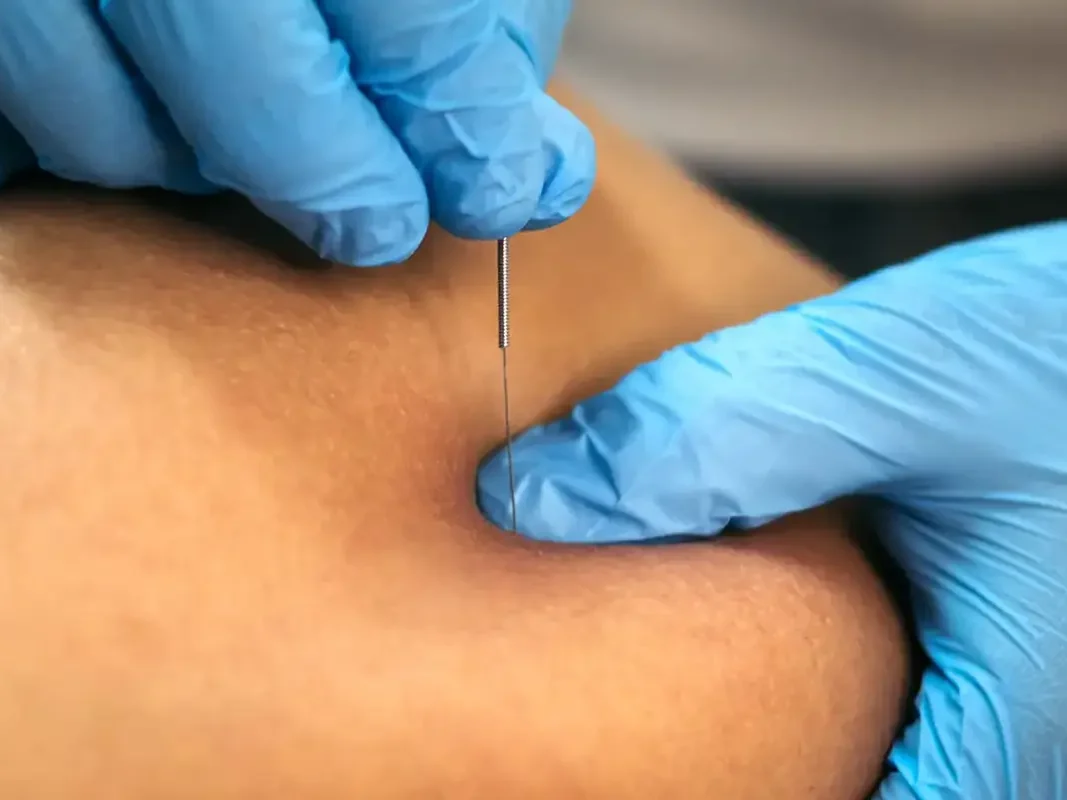
What is dry needling?
You can put a finger on it. There is a band inside the muscle that feels hard and tender, and when you press it the pain shows up somewhere else entirely. That band is a trigger point. Dry needling is a technique in which a licensed physical therapist trained in the method places a thin filament needle directly into it. Nothing is injected, which is where the word dry comes from. The needle prompts a brief local twitch, the band lets go, and blood flow through the area changes. It is not acupuncture. Acupuncture works from a traditional meridian system. Dry needling works from anatomy, so your therapist is aiming at a specific muscle they have already palpated, tested, and matched to your symptoms. Most people describe a deep ache or a quick cramping sensation at the moment of the twitch, then a clear drop in tension. The needling itself takes only a few minutes of the visit.
Dry needling is used as part of a plan, never as the whole plan. Releasing a trigger point opens a window. What happens inside that window is what decides whether the point rebuilds: the loading, the mobility work, the change to how you sit or lift or train. Your therapist decides at the evaluation whether needling belongs in your case at all, based on what they find in the tissue and what your history tells them.
Who dry needling is for.
Dry needling suits muscle pain that is local, repeatable, and stubborn. If your therapist can press one spot and recreate the exact symptom you came in with, that is the profile.
A knot you can point to that keeps coming back
The same spot between your shoulder blade and your spine. The same band in your calf. It quiets down with heat and a hot shower, then it is back by the middle of the next week. Needling treats the band itself rather than the sore area around it. What people usually report first is sleeping through the night without that spot waking them up.
Tightness that caps one specific motion
Turning your head to back down the driveway. Reaching behind you for a seat belt. Pushing off at the end of a stride. A guarded muscle can limit a movement long after the original injury finished healing. When the tension drops, the range tends to come back the same visit, and the exercises you have been doing start producing again.
Pain that shows up away from its source
Your hip aches but the tender spot sits in your glute. Your headache starts at the base of your skull and wraps forward. Referral patterns like these are typical of trigger points, and treating the source rather than the site is often what finally changes it. For the headache version, the first thing patients notice is how often it stops happening.
What to expect in a session.
Needling is one segment inside a normal treatment visit, not the whole appointment. Here is how it fits.
Screening and consent
Before anything else, your therapist confirms that dry needling is appropriate for you, reviews your medical history and your medications, and describes exactly what you are about to feel. You have to agree to it. You can also change your mind at any point, including partway through, and that is not a problem.
Locating and needling
Your therapist palpates the muscle, isolates the taut band, and places the needle. You may feel a dull ache, a brief cramp, or a twitch. That twitch is the muscle releasing, and it passes in a second. Needles stay in anywhere from a few seconds to a few minutes, and how many are used depends on the size of the area being treated.
Move it, then go home
The needles come out and you move right away, because a released muscle needs to be used in its new range before it decides to go back. Expect soreness like the day after a hard workout, usually for a day or two. Heat, water, and easy movement help. Your therapist tells you what is normal for your area before you leave.
Dry needling is not right for every person or every week. Tell your therapist if you take blood thinners or have a bleeding disorder. If you are pregnant, we want clearance from your provider before we needle, and certain areas are avoided regardless. We do not needle over an active infection, an open wound, or a fresh surgical site. If needles frighten you, or you have fainted around them before, say so at the evaluation. There are hands-on techniques that treat the same tissue, and nobody here will talk you into a needle you do not want.
Everyone on the Russ PT team is 100% professional. Their plan of action for my issues has been very effective. I actually look forward to my therapy sessions. They are engaging and fun!!
Where to go next.
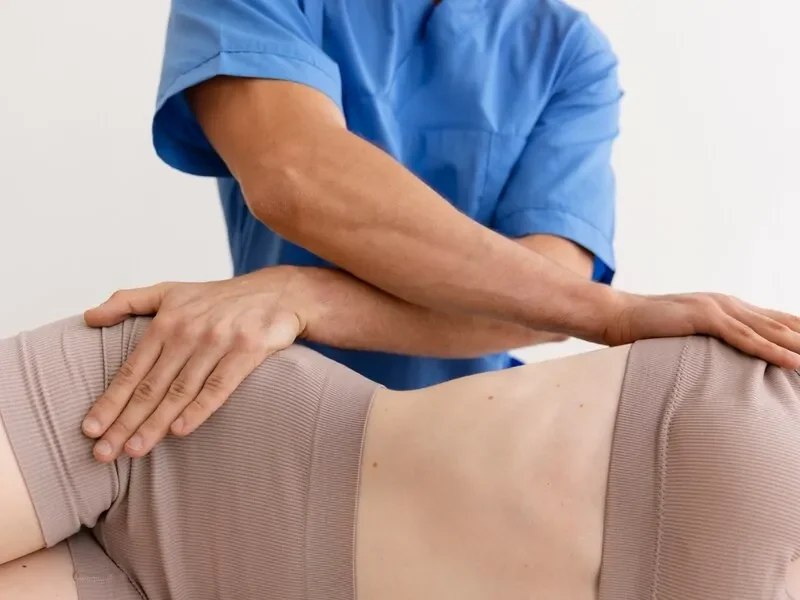
Manual Therapy
Skilled hands-on joint and soft tissue work for when the restriction is mechanical rather than a trigger point.
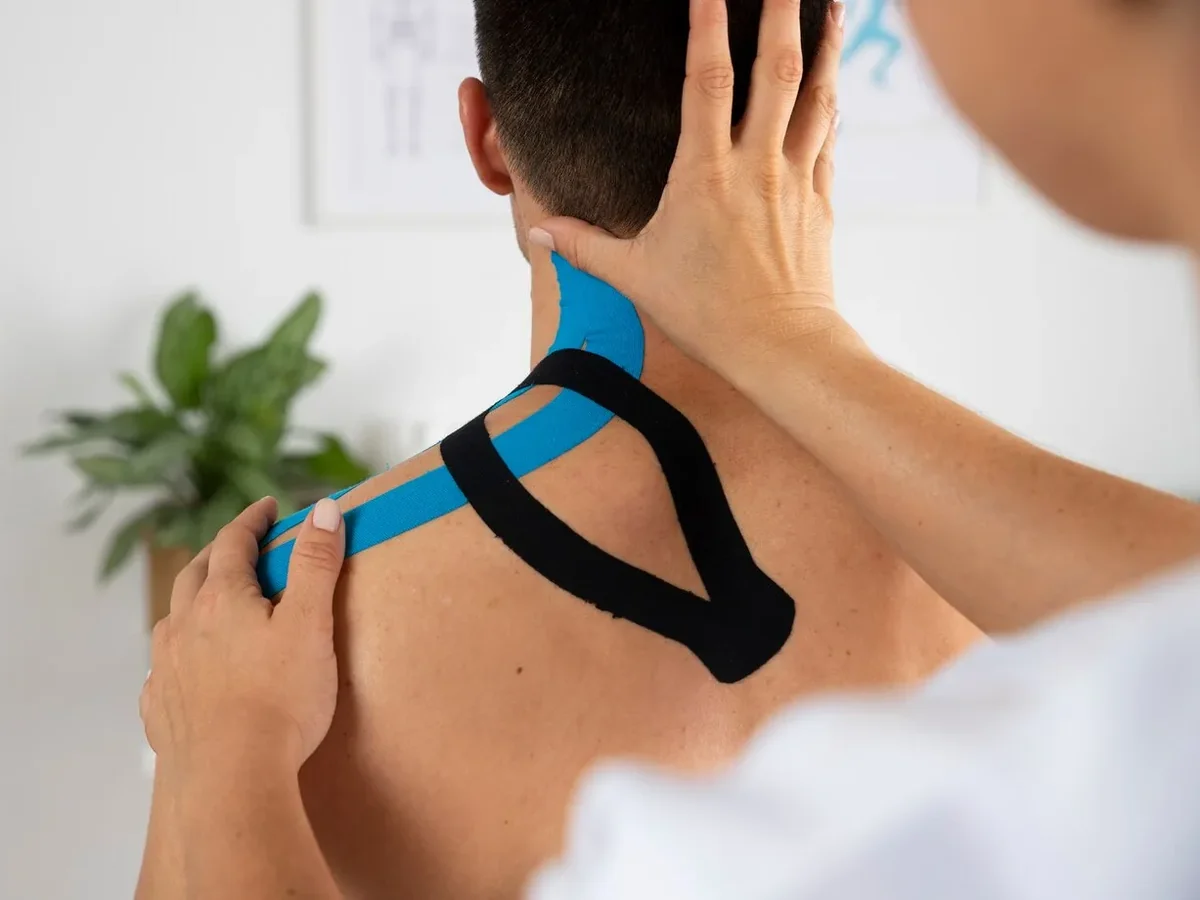
IASTM
Instrument assisted soft tissue work for scar tissue and fascia that is restricted across a broad area.
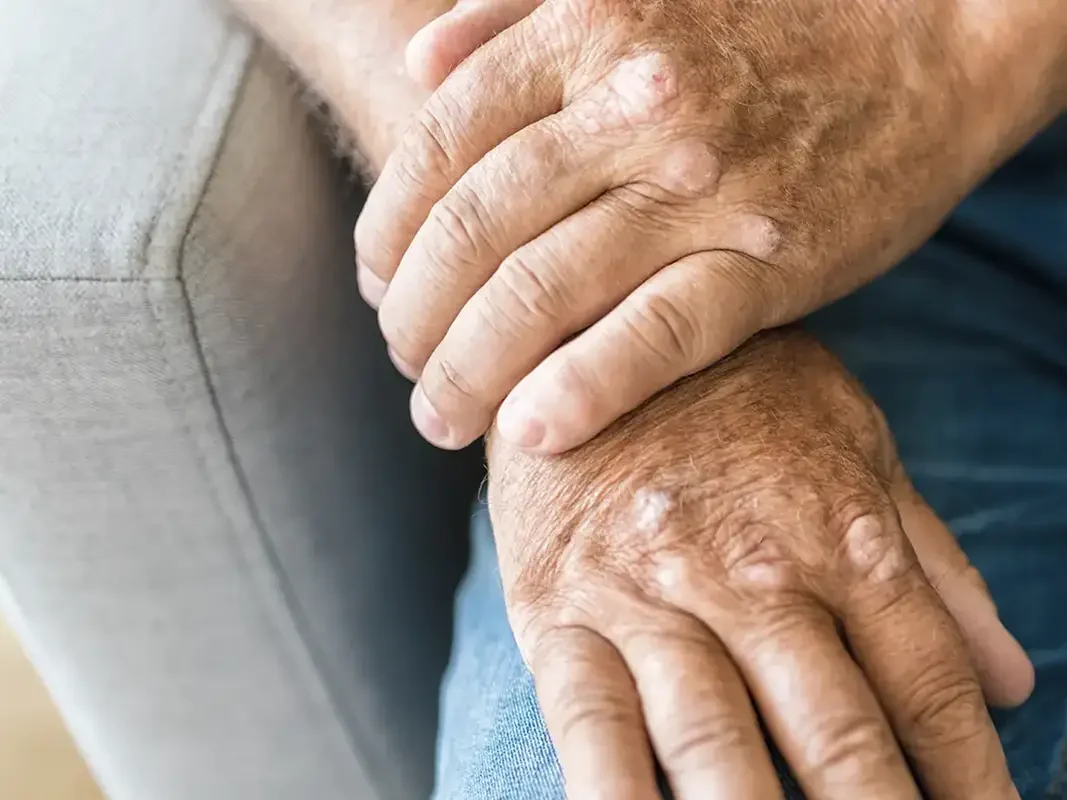
Arthritis
Stiff, achy joints respond to the right dose of movement. Here is how our team approaches it.
Ready when you are.
Fri: 8:00am - 1:30pm